Thinking about a home on land in Dewey-Humboldt and wondering if you should build or buy? You are not alone. Many buyers want space, views, and room for hobbies, but they also want clarity on timing, costs, and risks. In this guide, you will learn how local rules, utilities, financing, timelines, and total cost of ownership shape your decision so you can move forward with confidence. Let’s dive in.
Build or buy in Dewey-Humboldt?
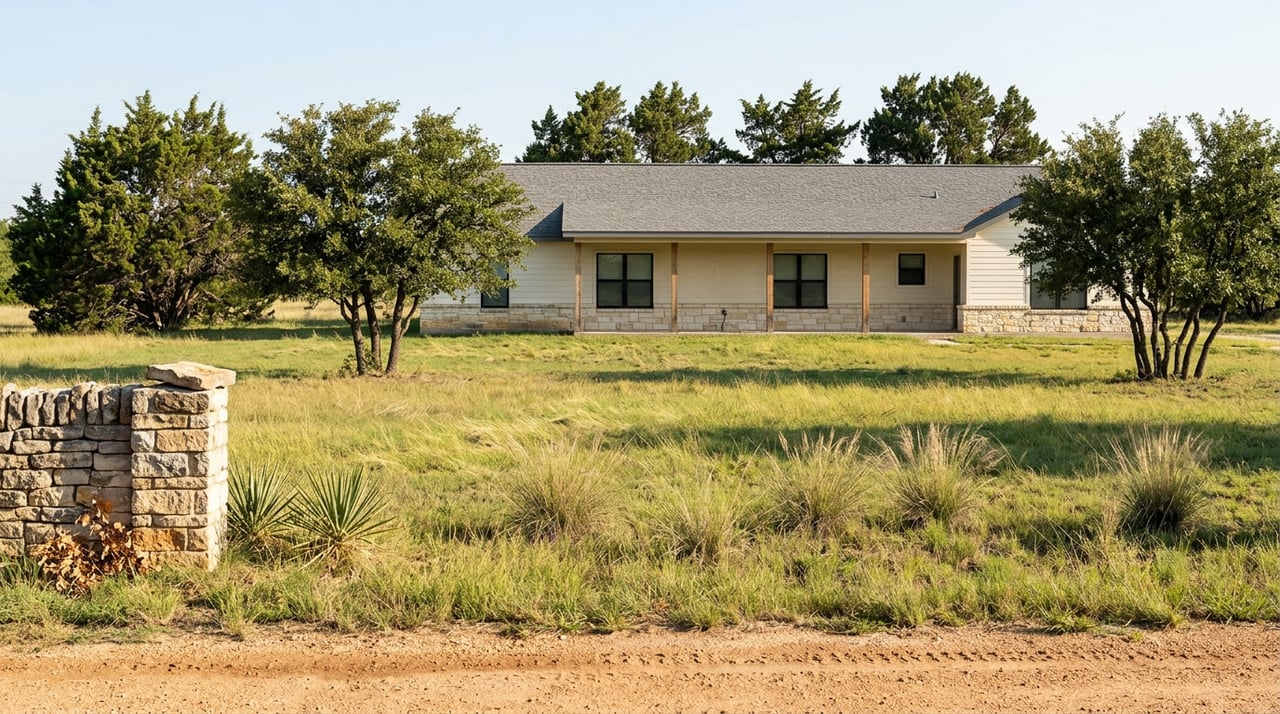
Dewey-Humboldt offers rural charm and elbow room, which makes custom building attractive. You can design exactly what you want and place the home to fit the land. The trade-off is more complexity, longer timelines, and site-specific risks.
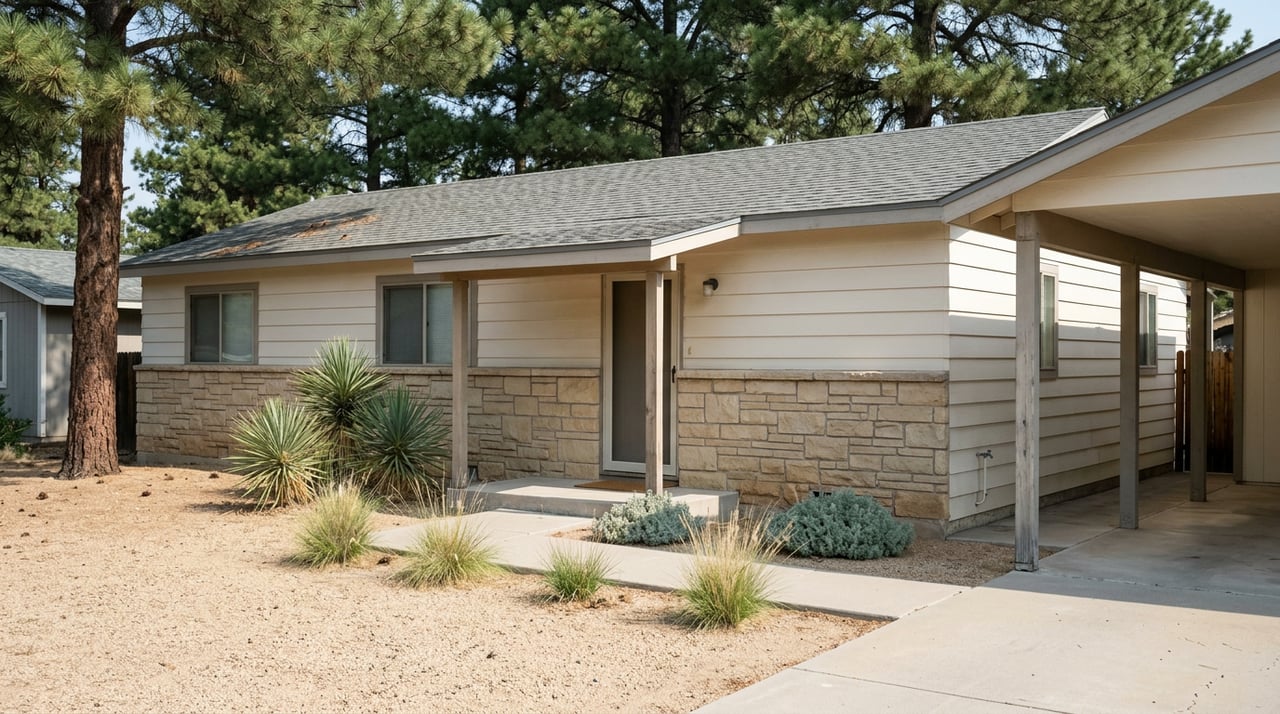
Buying an existing home trades some customization for speed and predictability. You can inspect what is there, plan updates over time, and avoid unknowns like well yield or a failed perc test.
The right path depends on your timeline, budget flexibility, risk tolerance, and whether a parcel passes early feasibility checks.
What local rules mean for you
Zoning and permits
Most property in Dewey-Humboldt is under Yavapai County jurisdiction. Zoning sets minimum lot size, setbacks, and what you can build, including accessory structures and home-based businesses. If a parcel was split or will be subdivided, county subdivision rules apply. Confirm zoning and any deed restrictions or HOA rules before you commit.
Building codes and inspections
Yavapai County enforces building codes through plan review and staged inspections. Expect permits for building, electrical, plumbing, septic, grading and erosion control, and sometimes a driveway or culvert. Plan review backlogs can add time, so build that into your schedule.
Wildfire and defensible space
This area has wildfire exposure. Local fire authorities may require defensible space and fire-resistant features such as Class A roofing and ember-resistant vents. Ask the local fire district early about driveway access for engines, turnarounds, and clearance requirements.
Environmental and floodplain considerations
Some rural lots may have cultural resources or biological constraints that require studies. Floodplain rules and drainage can limit where you can build. Review FEMA flood maps and local drainage guidance before finalizing plans.
Site and utilities on acreage
Water: wells vs systems
Many acreage parcels rely on private wells. The Arizona Department of Water Resources regulates well permitting and registration. Well yield and water quality vary widely. Some areas have high mineral content, including hardness or arsenic, which can require treatment. If you hope to connect to a municipal or community system, confirm the service area and tap capacity.
What to do next:
- Check ADWR records for nearby well logs and any groundwater notes.
- Budget for well drilling and a pump if a well is not present.
- If on a system, verify tap fees and timing.
Septic and soils
Most rural homes use on-site septic systems. Yavapai County Environmental Health typically requires a soil evaluation or perc test and a septic permit. Soil type, slope, and proximity to water features determine whether you can use a conventional system or need an engineered alternative.
What to do next:
- Order a perc or soil test early. A failed test can change the design and cost significantly.
- Confirm that lenders and insurers accept the planned septic system before you close.
Power, internet, and propane
Electric service may be near the property, but extending lines across distance or rough terrain can be expensive and slow. Some owners use propane, solar with batteries, or a mix of systems. Broadband can be limited on acreage, so check providers and cellular coverage if remote work matters to you.
Access and easements
Verify legal vehicular access and who maintains any private road. If your driveway meets a county road or a state highway, you may need a driveway or culvert permit. Road conditions and seasonal access affect construction logistics and resale.
Topography and rock
Rocky or sloped sites can increase grading, excavation, and foundation costs. Granite and caliche are common and can add time and budget.
Quick site feasibility checklist
- Well status and nearby well logs, or water system availability and tap fees.
- Perc or soil test status and septic permit requirements.
- Distance to power and communications lines; cost and timing for extension.
- Legal access, driveway permits, and road maintenance responsibilities.
- Topography, rock conditions, and drainage or floodplain constraints.
Consider commissioning a short feasibility memo from a builder or engineer before you finalize a land purchase. This early step can save you from costly surprises.
Costs you should plan for
Building on acreage includes the home itself plus site work and utilities. Plan for the following categories:
- Land purchase price if you do not already own the parcel.
- Site preparation: clearing, grading, rock removal, erosion control, driveway, culvert, and retaining walls. Site conditions can add tens of thousands to hundreds of thousands.
- Utilities: power extension, well drilling and pump or tap fees, septic installation, propane, and internet. Long runs to the road increase costs.
- Foundation and structure: your foundation type depends on soils and slope.
- Home construction: industry benchmarks for custom homes vary widely. Modest custom homes can start around the low end of $150 to $200 per square foot, with higher-end projects reaching $300 per square foot or more. Local bids will vary.
- Soft costs: architectural and engineering plans, truss design, permits, impact fees, surveys, geotechnical reports, and hook-up fees.
- Contingency: set aside 10 to 20 percent for unknowns like rock excavation, utility delays, or price volatility.
Property taxes, insurance, and ongoing costs
- New improvements increase assessed value and property taxes. Check with the Yavapai County Assessor to understand how new construction affects assessments.
- Homeowners insurance may be higher in wildfire-exposed areas and can require mitigation. During construction, builder’s risk coverage is typical.
- Ongoing costs can include well maintenance and pumping, septic pumping and inspections, private road maintenance if applicable, and off-grid system upkeep.
Financing your path
Construction-to-permanent loans are common when you build. Expect larger down payments, higher rates during construction, staged draws, and checks on your builder’s credentials. Traditional mortgages may not finance unimproved land or unpermitted systems, and most lenders will require acceptable well and septic documentation before converting to a permanent loan.
Other options can include lot loans with shorter terms and higher rates, USDA rural housing loans for eligible buyers and locations, and certain VA or FHA programs. Renovation options, such as FHA 203(k), may be useful if you buy a home that needs work. Confirm eligibility and parcel specifics with your lender.
Practical tips:
- Ask your lender for its construction loan checklist, including inspection requirements for draws.
- Verify that your builder’s license, insurance, and track record meet lender standards.
- Build your contingency into loan planning where possible.
Timelines and common risks
Typical timelines
- Buying an existing home: contract to close is often 30 to 60 days, subject to inspections, title, and financing.
- Building on acreage: plan for 9 to 18 months from lot purchase to move-in, with variability based on permits, weather, trades, and materials.
Build stages and rough durations:
- Site feasibility, surveys, and perc or well checks: 2 to 6 weeks.
- Plans and county permit review: 4 to 12 or more weeks.
- Site prep and foundations: 2 to 8 weeks.
- Framing to rough-in: 6 to 12 weeks.
- Interior finishes and inspections: 8 to 16 weeks.
- Final inspection and certificate of occupancy: variable.
Common risks to plan for
- Utility delays: power extensions and transformers can take time.
- Water uncertainty: low well yields or water quality issues discovered after drilling.
- Septic and soils: a failed perc test or poor soils may require costlier engineered systems.
- Cost escalation: material and labor prices can shift during the build.
- Lender draw issues: delays if work does not meet inspection or contract milestones.
- Environmental or regulatory holds: cultural resources, protected habitat, drainage, or floodplain problems.
- Resale risk: rural acreage can have a narrower buyer pool, which can affect time to sell.
Which path fits your goals
When building makes sense
- You want significant customization in layout, orientation, accessibility, or systems.
- You plan to hold long term and want to design the site plan for outbuildings or hobbies.
- You can manage a longer timeline and accept cost variability.
- Your budget includes a healthy contingency for site work.
- The parcel passes early feasibility checks for water, septic, utilities, and access.
When buying an existing home makes sense
- You need to move sooner or prefer a predictable timeline.
- You have low tolerance for cost uncertainty during construction.
- You can find a home that fits your needs with minor updates.
- You want to avoid installing initial infrastructure like well, septic, and power.
- Construction financing is not a match for your goals.
Real-world scenarios
- The custom workshop buyer: You want a home with a large shop, RV parking, and a layout tailored to equipment. Building can align with your goals if the lot clears feasibility and your budget can absorb site work.
- The move-now family: You want to enroll kids in school and settle in 60 days. Buying an existing home is often the simpler choice. You can remodel over time.
- The hybrid path: You buy a livable home on acreage now and plan an addition or remodel later. This provides immediate occupancy and avoids early uncertainty about well and septic feasibility.
Dewey-Humboldt next steps
- Order a parcel feasibility review with a builder, surveyor, and septic or well professionals before you finalize a land purchase.
- Contact Yavapai County Development Services about zoning, permit timelines, and driveway or culvert requirements. Speak with the local fire district about defensible space and access.
- Check state well records for nearby well logs and any groundwater issues relevant to your parcel.
- Obtain a title report to verify easements, restrictions, and any HOA or CC&Rs.
Build-focused checklist
- Boundary survey and topographic survey.
- Perc or soil test and septic design path.
- Well availability check, drilling bid, and water quality testing plan.
- Utility locate and estimates for power and communications extension.
- Geotechnical report if slope or rock is suspected.
- Building plans with engineered foundation and truss details.
- County building and site permits, with fee estimates.
- Contractor license verification, references, draw schedule, and warranty terms.
- Construction-to-permanent loan approval and lender checklist.
- Insurance quotes for builder’s risk and future wildfire coverage.
- Contingency reserve of 10 to 20 percent.
Buy-focused checklist
- Whole-home inspection, septic inspection, and well yield and water quality testing.
- Wildfire risk review and defensible space plan.
- Termite and pest inspection.
- Utility verification and current condition of well, septic, and road access.
- Permit history review for past additions or outbuildings.
- Title review for easements and road maintenance obligations.
Ready to map your best route in Dewey-Humboldt? Our team offers local insight across the quad-city area and can connect you with trusted builders, well and septic pros, and lenders who understand rural properties. If you want a clear plan for building or buying on acreage, reach out to Paula Stears Thomas for a thoughtful consultation.
FAQs
How long does it take to build on acreage in Dewey-Humboldt?
- Expect about 9 to 18 months from lot purchase to move-in, influenced by permit timelines, contractor availability, weather, and material supply.
What are the most common hidden costs when building locally?
- Well drilling and treatment, engineered septic systems after a failed perc, power line extensions or transformers, rock excavation, and access or driveway work.
Will a lender finance land and a new build together?
- Many buyers use construction-to-permanent loans with staged draws; lot loans and certain USDA, VA, or FHA options may apply depending on eligibility and parcel specifics.
How does wildfire exposure affect my project and insurance?
- You may need defensible space and fire-resistant features; insurers can require mitigation and may price coverage higher in wildfire-exposed areas.
What if a lot fails the perc test or has low well yield?
- Options include engineered septic systems, water treatment, hauling or storage solutions, connecting to a system if available, or selecting a different parcel if costs are prohibitive.
Can I buy an existing home now and expand later?
- Yes. Many buyers choose a livable home on acreage, then add or remodel over time using savings or renovation financing.