Thinking about selling your Prescott home? In a market where homes are moving in weeks and buyers are comparing every new listing closely, the details matter more than you might think. If you want a smoother sale, fewer surprises, and a stronger launch, a clear plan can make all the difference. This checklist walks you from prep to closing so you know what to do, when to do it, and what to expect next. Let’s dive in.
Start With Market Reality
Before you make repairs or pick a list price, it helps to understand the current Prescott market. Recent market data puts typical home values and sale prices in the low $600,000s, with Redfin reporting a three-month median sale price of $613,083 in May 2026 and Zillow reporting an average home value of $603,256 as of April 30, 2026.
Just as important, homes are generally selling on a timeline measured in weeks, not months. Redfin reported about 54 days on market, while Zillow said homes go pending in around 29 days. That means your pricing, presentation, and launch strategy should be ready from day one.
Build Your Pre-Listing Checklist
Review Your Home’s Condition
Start by looking at your home the way a buyer will. Walk through each room and make note of anything that looks worn, broken, outdated, or unfinished. Small issues can add up in a buyer’s mind, especially during showings and inspections.
A pre-listing inspection is not required, but it can be helpful. According to the research, it may identify concerns with the roof, structure, plumbing, electrical systems, heating and cooling, interiors, insulation, fireplaces, and even health-related issues such as mold or asbestos. Finding problems early can help reduce surprise repair requests later.
Decide What to Repair
Once you know your home’s condition, decide which repairs are worth handling before you list. Focus first on items that affect function, safety, or a buyer’s confidence in the property. A dripping faucet may be minor, but roof, HVAC, or electrical issues can become major negotiation points.
If you choose not to fix something, get an estimate anyway. Buyers often use expected repair costs during negotiations, and having real numbers helps you prepare for repair requests or credit discussions.
Gather Disclosures Early
In Arizona, disclosure planning should happen early, not after you accept an offer. Seller disclosures often cover known material defects, past repairs, natural hazards, missing essential features, land-use limitations, HOA information, and other conditions that may affect value.
The Arizona Department of Real Estate says buyers should receive a Seller’s Property Disclosure Statement, or SPDS. The Arizona Association of REALTORS contract also calls for delivery within five days after contract acceptance, so getting organized ahead of time can save stress during escrow.
Check for Lead-Based Paint Rules
If your home was built before 1978, lead-based paint rules apply. Sellers must disclose any known lead-based paint or lead hazards before the sale.
If renovation or repair work disturbed painted surfaces, make sure you keep records related to lead-safe work practices. This is especially important as you move toward closing and document the property’s condition.
Collect Important Paperwork
Before your home goes live, create a file for documents the buyer may need. This can include warranties, appliance manuals, repair receipts, system service records, and guarantees for work completed on the property.
Missing paperwork can create last-minute problems. A simple folder, whether digital or printed, can help keep the transaction moving smoothly.
Prepare Your Home for Photos and Showings
Declutter and Deep Clean
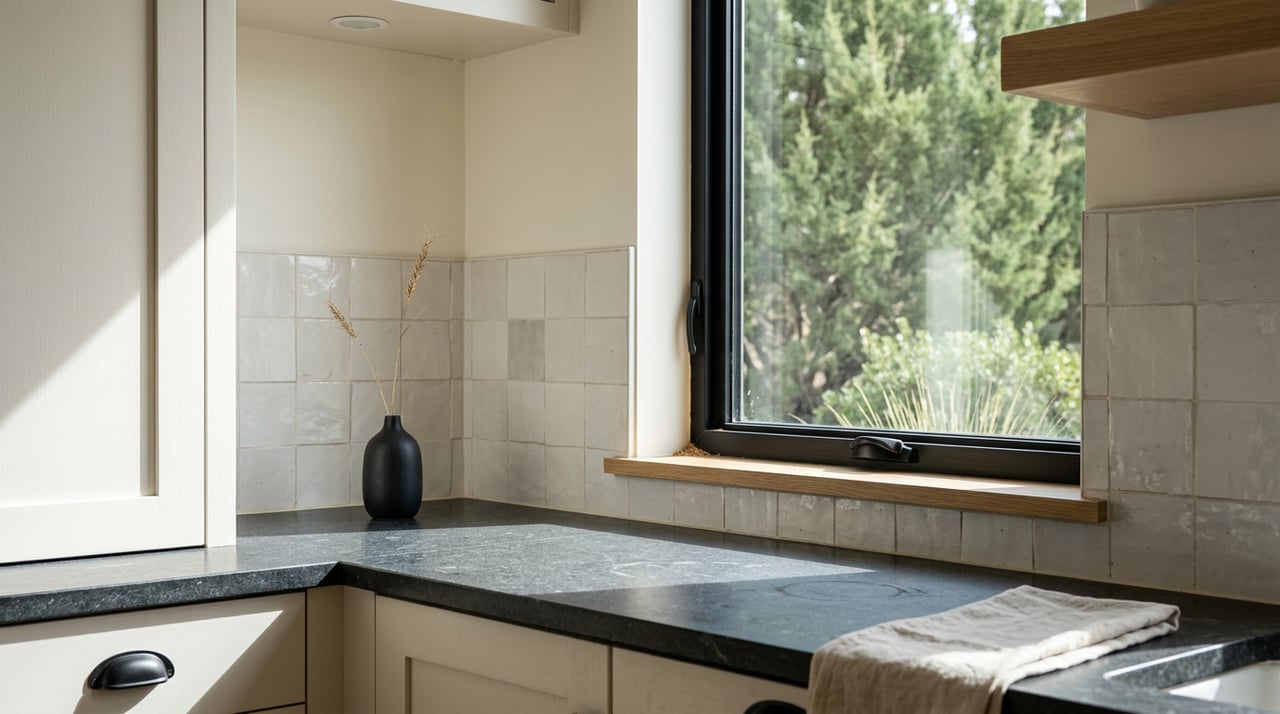
Most buyers will first experience your home online, so presentation matters. Clean windows, carpets, walls, and light fixtures. Remove extra items from counters, shelves, and floors so the home feels easier to understand in photos.
Decluttering also helps buyers focus on the space itself. Clean, simple rooms tend to photograph better and feel more inviting during in-person showings.
Improve Curb Appeal
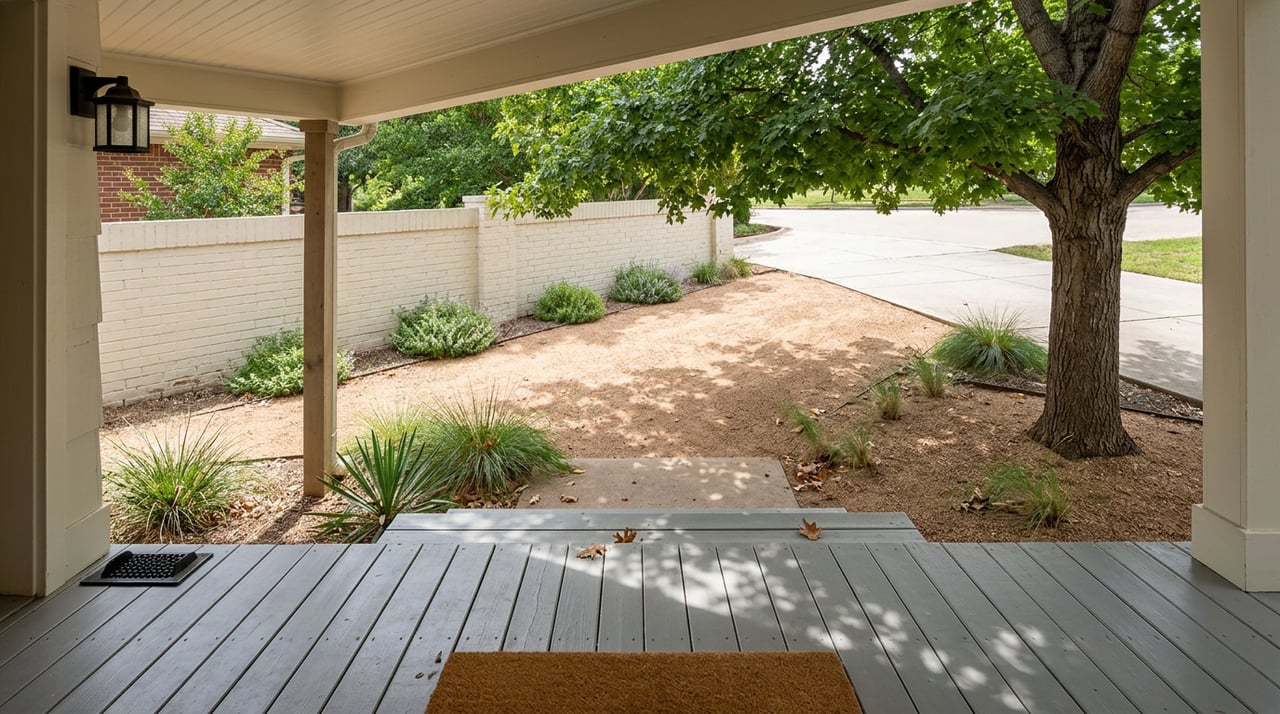
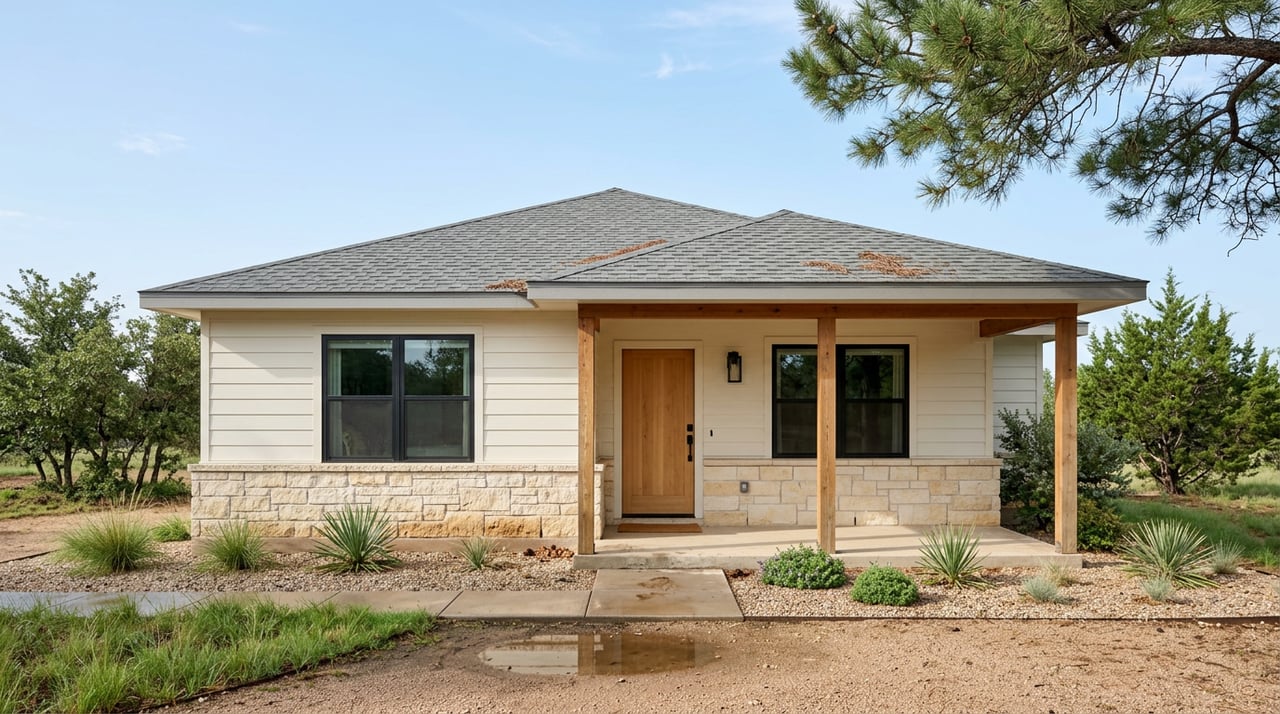
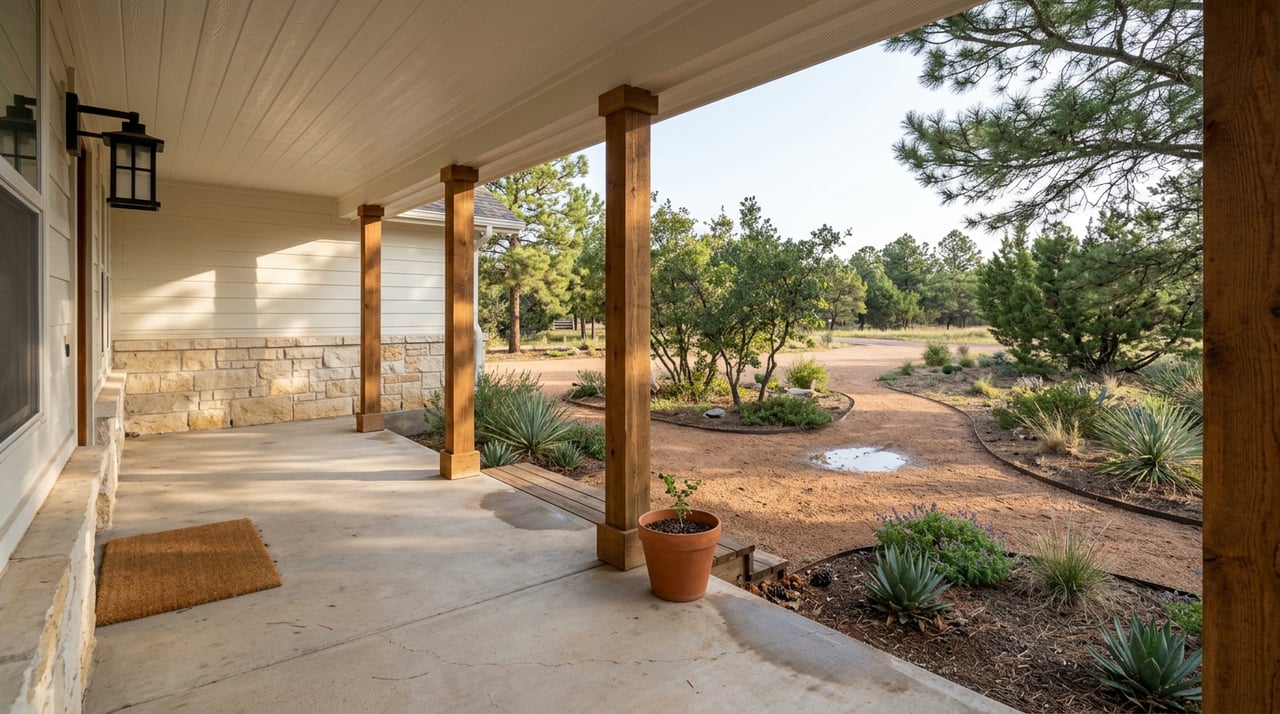
The exterior sets the tone before buyers ever step inside. Tidy up landscaping, sweep walkways, remove debris, and make sure the entry feels cared for.
You do not need a full exterior makeover to make a strong first impression. Often, basic cleanup and maintenance are enough to help your home feel well kept and show-ready.
Consider Staging Key Rooms
Staging is not required, but it can make a difference. NAR’s 2025 staging research found that 83% of buyers’ agents said staging made it easier for buyers to visualize a property as a future home.
If you stage only a few spaces, focus on the living room, primary bedroom, and dining room. These are the areas most commonly staged and often the spaces buyers pay closest attention to when forming first impressions.
Price Your Prescott Home Carefully
Use Comparable Sales
Pricing is one of the most important decisions you will make. In Prescott, where buyers are active but homes are not flying off the shelf overnight, the right price can help generate stronger interest early.
Your price should be based on recent comparable sales, current buyer activity, and your home’s condition and presentation. A strong pricing strategy is grounded in what buyers are actually paying for similar homes right now.
Do Not Rely on Tax Value
It is important not to use the county tax appraisal as a pricing shortcut. Yavapai County says its appraisals are prepared for ad valorem tax purposes only and are only an indirect reflection of actual market value.
That means the tax number may not match what a buyer would pay in the current market. It is useful for tax assessment, but not for setting a list price.
Plan a Strong Listing Launch
Prioritize Professional Marketing
Your launch week matters because buyers often compare new listings quickly. High-quality photography, strong listing presentation, and a clean digital experience help your home stand out from the start.
For sellers in Prescott, this is where a marketing-first approach can create real value. Professional photos, virtual tours, and easy-to-review listing materials can help attract attention and make it easier for buyers to act.
Make Showings Easy
Once your home is active, flexibility matters. The easier it is for qualified buyers to tour the property, the more likely you are to maintain momentum during the first days and weeks on market.
Try to keep the home clean and ready with minimal notice if possible. That preparation can feel inconvenient, but it helps you avoid missed opportunities.
Prepare for Offers and Negotiations
Expect Inspection Issues
Even well-maintained homes can raise questions during the buyer’s inspection. Buyers often include inspection contingencies, and some may ask for repairs or credits if major issues come up.
This is another reason pre-listing prep matters. If you already know the home’s condition and have repair estimates in hand, you can respond more confidently and avoid being caught off guard.
Look Beyond Price Alone
When offers come in, price is only one part of the picture. You will also want to consider timing, contingencies, repair requests, and how prepared the buyer appears for closing.
A slightly lower offer with cleaner terms may be easier to close than a higher offer loaded with uncertainty. A clear review of the full offer can help you choose the path that best fits your goals.
Stay Organized During Escrow
Keep Disclosures and HOA Documents Ready
If your property is in an HOA, gather the related materials early. Buyers may need information about fees, assessments, governing documents, and community rules.
The research also notes that CC&Rs can affect things like landscaping, RV parking, and other property uses. Even if these details seem routine, they can matter a lot to a buyer reviewing the property during escrow.
Document Any Escrow Repairs
If you agree to complete repairs during escrow, keep good records. Save invoices, receipts, contractor details, and any related warranty information.
That documentation can help support the final transaction file and reduce confusion before closing. For older homes, records tied to lead-safe work may be especially important if painted surfaces were disturbed.
Get Ready for Closing in Yavapai County
Confirm Vesting and Signatures
Closing is not the time to guess on names, ownership details, or signatures. The Yavapai County Recorder notes that once an instrument of transfer is recorded, the public record changes only through a later recording.
That makes accuracy important before documents are signed and submitted. Most property sales transactions also require an affidavit of value unless an exemption applies, so it is smart to review these details carefully.
Review Property Tax Timing
Property taxes can affect your final settlement statement. The Yavapai County Treasurer mails tax notices by the end of September, with first-half taxes delinquent after 5 p.m. on November 1 and second-half taxes delinquent after 5 p.m. on May 1 of the following year.
Those dates can matter for prorations and payoffs at closing. If your sale is happening near one of those deadlines, make sure the numbers are reviewed carefully.
Leave Final Documents in One Place
As closing approaches, gather anything that stays with the home. This may include garage remotes, keys, appliance manuals, warranties, and service information.
A simple handoff helps the buyer settle in and leaves the transaction on a professional note. It is a small step, but it can make the finish feel much smoother for everyone involved.
Selling a home in Prescott goes more smoothly when you treat it like a process, not a last-minute event. From repairs and disclosures to pricing, presentation, negotiations, and closing details, each step builds on the one before it. If you want local guidance, professional marketing, and a clear plan from prep to closing, connect with Paula Stears Thomas for your free home valuation.
FAQs
What is the first step in selling a home in Prescott?
- The first step is understanding your home’s condition and the current Prescott market so you can make smart decisions about repairs, pricing, and timing.
Should Prescott sellers get a pre-listing inspection?
- A pre-listing inspection is optional, but it can uncover issues before the buyer’s inspection and help reduce the risk of surprise negotiations or a canceled contract.
Can you use Yavapai County tax value to price a Prescott home?
- No. Yavapai County says tax appraisals are for tax purposes only and are only an indirect reflection of actual market value.
Do Arizona home sellers need to complete disclosures?
- Yes. Arizona sellers should plan disclosures early, and buyers should receive an SPDS as part of the resale transaction process.
Is staging required when selling a Prescott home?
- No, staging is not required, but research shows it can help buyers visualize the home more easily, especially in key rooms.
What should Prescott sellers gather before closing?
- You should gather warranties, manuals, repair records, HOA materials if applicable, keys, remotes, and any paperwork related to systems or repairs that will stay with the home.