If Phoenix feels a little too fast, too hot, or too crowded for the next chapter of your life, Dewey-Humboldt may already be on your radar. Many buyers looking north want more space, cooler evenings, and a simpler daily rhythm without giving up access to the quad-city area. If you are relocating from Phoenix to Dewey-Humboldt, this guide will help you understand what really changes, what to plan for, and how to make your move with more confidence. Let’s dive in.
Why Dewey-Humboldt Feels Different
Dewey-Humboldt offers a very different setting from Phoenix. The town is about 85 miles north of Phoenix and about 12 miles east of Prescott, with a high-desert elevation of roughly 4,800 feet. The town also describes its long-term vision as rural and low density, which shapes both the look of the area and the pace of everyday life.
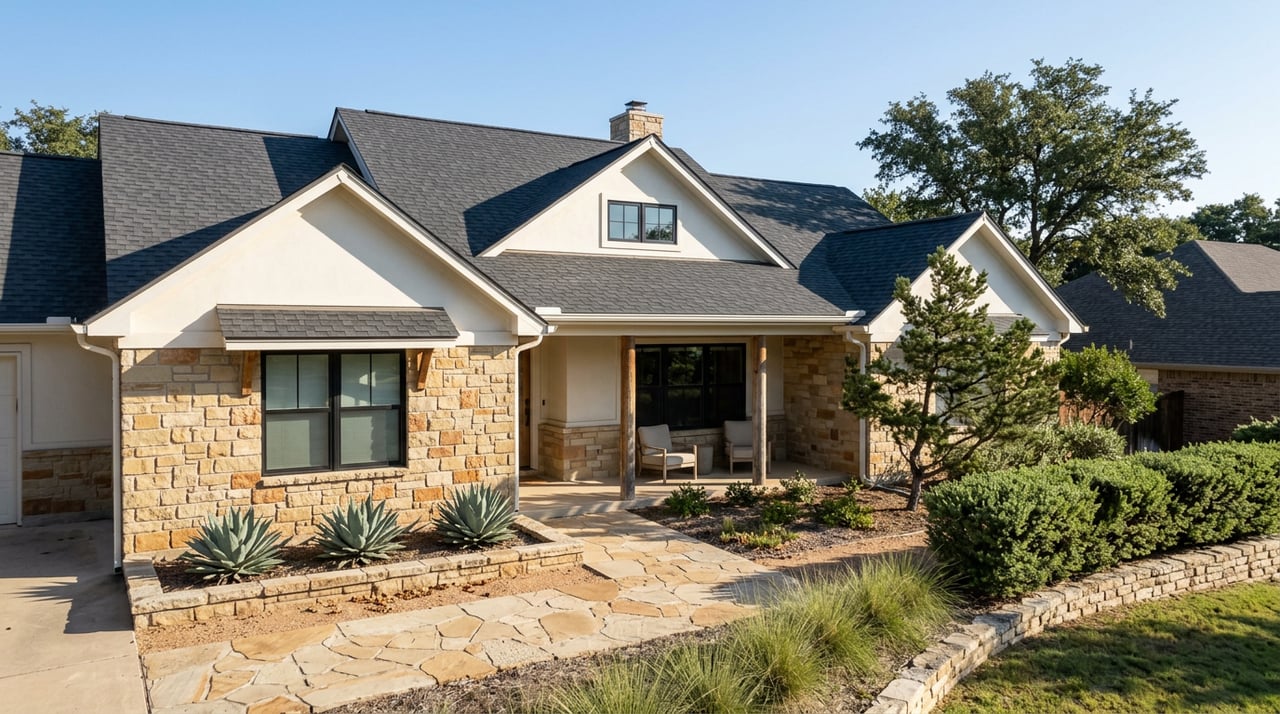
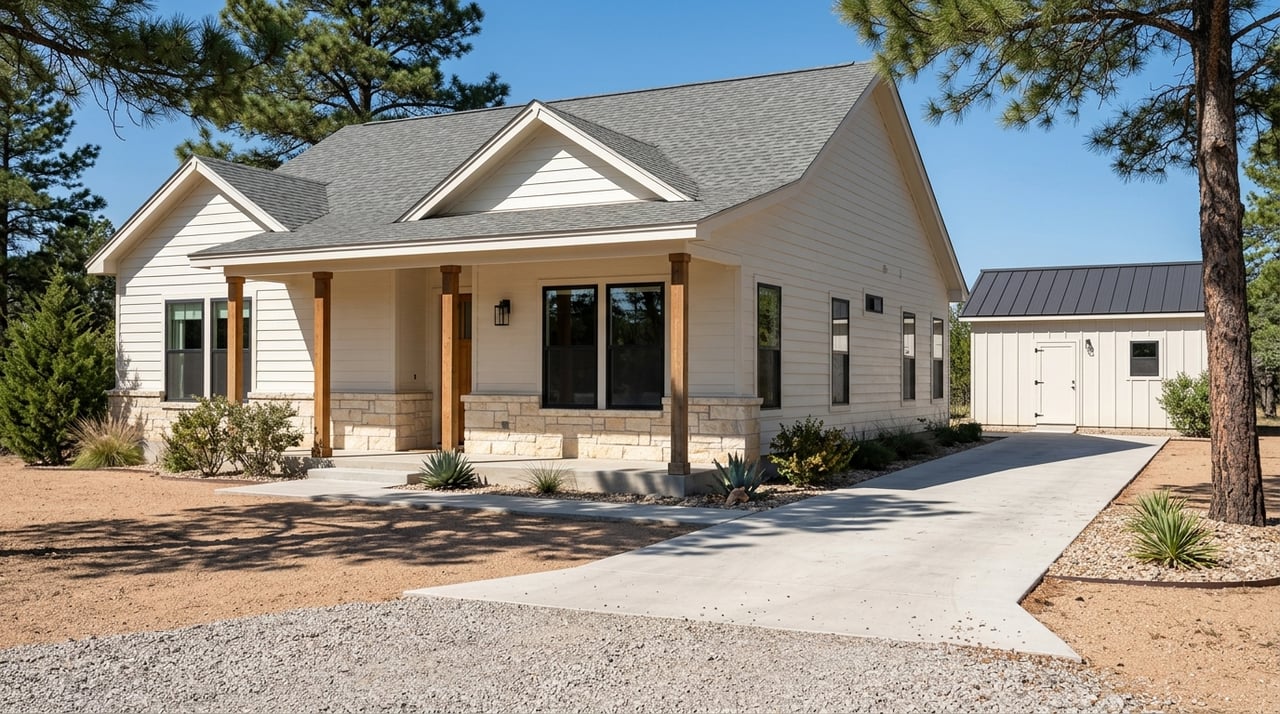
That shift matters when you are choosing where to live. Instead of a large urban environment, you are moving into a smaller community with more open land and a country-town feel. For many buyers, that means trading convenience around every corner for more breathing room and a stronger connection to the surrounding landscape.
Climate Changes From Phoenix
One of the biggest lifestyle changes is the weather. Dewey-Humboldt has a mild four-season climate with occasional winter snowfall, which is a major contrast to Phoenix. If you are used to long stretches of intense summer heat, the cooler temperatures here can feel like a real reset.
The numbers show the difference clearly. Dewey-Humboldt averages about 52°F for a January high and 27°F for a January low, while Phoenix averages 67.6°F and 46.0°F in January. In July, Dewey-Humboldt averages 90°F for a high and 61°F for a low, compared with Phoenix at 95.5°F and 84.5°F.
That means you should expect cooler nights, less extreme summer heat, and more noticeable seasonal change. Dewey-Humboldt also receives far more annual precipitation than Phoenix, with monthly averages adding up to roughly 19 inches per year versus Phoenix Sky Harbor’s 7.22-inch annual normal. If you have spent years living around Phoenix weather, this can be one of the most welcome parts of the move.
What the Weather Shift Means for Daily Life
A cooler climate changes more than your wardrobe. You may spend more time outdoors at different times of year, and you will also want to prepare for colder winter mornings and the possibility of snow. If you are buying a home, it is smart to pay attention to heating needs, outdoor maintenance, and how the property handles seasonal weather.
Housing Looks Different Here
Dewey-Humboldt is small by Phoenix standards. Census profile data shows 4,326 residents and 1,995 housing units across 18.6 square miles of land. That tells you right away that this is a much more spread-out housing market than what you may be used to in the Valley.
Lot sizes are often a big reason buyers move here. According to the town, residential lot sizes are typically greater than one-half acre, and many areas are 1.6 acres or larger. The town’s zoning-density table includes minimum lot sizes ranging from 7,500 square feet to 36 acres, which gives you a sense of how varied property types can be.
For Phoenix buyers, this can be a major mindset shift. You may be comparing not just floor plans and finishes, but also acreage, driveway access, lot shape, utility considerations, and outdoor use. In Dewey-Humboldt, the land itself is often a big part of the value.
Common Property Types to Expect
The housing mix can include:
- Site-built homes
- Manufactured homes that meet HUD-label standards
- Larger acreage parcels
- Vacant land for future plans
That variety can open up more options depending on your goals. You might be looking for a move-in-ready house, extra elbow room, or land for a custom build. PST’s experience across single-family homes, manufactured homes, vacant lots, and acreage can be especially useful when your search goes beyond a typical subdivision home.
Land and Zoning Need Early Attention
If you are considering vacant land, a custom build, or even a property with extra space for future use, due diligence matters early. Dewey-Humboldt has formal processes for subdivision, land splits, zoning clearance, and manufactured-home permits. That means important property questions should be answered before you get too far down the road.
This is especially important if you are relocating from Phoenix and are more familiar with a denser, more standardized housing market. In a rural or semi-rural setting, you may need to look more closely at lot requirements, zoning rules, and permit pathways. The earlier you review those details, the better positioned you are to make a strong and informed decision.
Manufactured Homes vs. Mobile Homes
The town code makes an important distinction. Manufactured homes that meet HUD-label standards are allowed, while mobile homes as defined in the town code are prohibited as dwelling units on individual lots. If you are considering this type of property, it is worth verifying how the home is classified before you move forward.
Daily Life Is More Car-Dependent
Dewey-Humboldt’s size and low-density layout usually mean you will rely on your car more than you would in a more compact neighborhood. Based on the town’s footprint and rural planning approach, daily errands and commuting are likely to involve more driving than walking. That is not necessarily a downside, but it is something to plan for.
For many Phoenix movers, this tradeoff feels worthwhile. You gain more space and a quieter setting, but you may also need to think more intentionally about your regular routes for groceries, appointments, work, and recreation.
The SR 69 Commute Matters
If you expect to commute south or travel often toward Prescott Valley, Prescott, or the Phoenix area, pay close attention to SR 69. ADOT identifies SR 69 as a principal arterial linking Prescott Valley and Prescott to Interstate 17, and it has noted recurring congestion and unreliable travel times in the corridor.
In practical terms, your map mileage may not tell the whole story. If access and commute patterns are a big part of your move, it helps to weigh not just the home itself, but also how often you will need that corridor and at what times.
Community Amenities Are Simpler
Dewey-Humboldt is not trying to be Phoenix, and that is exactly why many people like it. The town library is open Monday through Saturday, and Humboldt Unified School District provides K-12 public schools for the area. The town also maintains an Open Space & Trails Advisory Committee, which reflects its outdoor-oriented planning priorities.
This points to a lifestyle that is often more grounded in open space, trails, and small-town routines than in major retail or urban entertainment options. If your goal is to slow down a bit while staying connected to the broader quad-city region, that can be a very good fit.
Selling in Phoenix and Buying in Dewey-Humboldt
For many relocators, the hardest part is not choosing the town. It is timing the move. If you need to sell a Phoenix home before buying in Dewey-Humboldt, your strategy matters.
Home shoppers can explore loan choices while shopping for homes, and it is wise to make offers contingent on financing and a satisfactory inspection. If your Phoenix home needs to sell first, a home-sale contingency may give you time to complete that sale before closing on the next property. A home-close contingency can also help if you need your current home sale to close before your purchase moves forward.
The key is specificity. Contingency timelines should be clear and realistic so everyone understands the path forward. This is one area where a local team can make a big difference, especially when you are coordinating two markets and multiple deadlines.
When a Bridge Loan May Help
Some buyers explore a short-term bridge loan to reduce pressure and avoid making the new purchase fully dependent on a sale contingency. Mortgage rules treat a temporary bridge loan with a term of 12 months or less as a short-term product. In some situations, that can help you compete more effectively if the right Dewey-Humboldt property comes on the market before your Phoenix sale is complete.
That said, timing is rarely perfect. Loan closing and home-purchase closing often happen at the same time, but they can also be stretched out or handled separately. Because of that, it is smart to plan for a buffer such as short-term housing, storage, or a rent-back arrangement if your dates do not line up cleanly.
How to Prepare for the Move
A Phoenix-to-Dewey-Humboldt move usually goes more smoothly when you prepare for the lifestyle shift, not just the address change. Before you buy, think through how you want to live day to day and what features matter most in a northern Arizona property.
Here is a practical checklist to start with:
- Decide whether you want a site-built home, manufactured home, or land
- Review lot size needs and how much outdoor space you actually want to maintain
- Consider commute patterns, especially if you will use SR 69 often
- Plan for cooler winters and more seasonal weather
- Ask early questions about zoning, land splits, and permits if acreage is involved
- Build a timeline for selling in Phoenix and buying in Dewey-Humboldt
- Leave room for temporary housing or storage if closing dates may not align
Why Local Guidance Matters
Relocating from Phoenix to Dewey-Humboldt is not just a market change. It is a lifestyle change, a property-type change, and often a process change too. Smaller inventory, larger lots, rural zoning details, and timing a sale with a purchase can all create moving parts that are easier to manage with strong local guidance.
Paula Stears Thomas and the Premier Sales Team bring focused quad-city market knowledge and full-service support for buyers and sellers making this transition. Whether you are comparing acreage, evaluating manufactured home options, or coordinating a Phoenix sale with a northern Arizona purchase, having a team that understands the region can help you move with more clarity and less stress.
If you are thinking about relocating from Phoenix to Dewey-Humboldt, the right plan starts with local insight and a realistic strategy. Connect with Paula Stears Thomas to talk through your move, your home sale timeline, and the kind of property that fits your next chapter.
FAQs
What is the climate like when moving from Phoenix to Dewey-Humboldt?
- Dewey-Humboldt has a milder four-season climate with cooler temperatures, colder winter nights, occasional snowfall, and more annual precipitation than Phoenix.
What kinds of homes can you buy in Dewey-Humboldt?
- Buyers may find site-built homes, HUD-label manufactured homes, larger acreage properties, and vacant land, depending on the area and zoning.
What should Phoenix buyers know about Dewey-Humboldt lot sizes?
- Lot sizes are often much larger than in Phoenix, with residential lots typically greater than one-half acre and many areas at 1.6 acres or more.
How important is SR 69 when relocating to Dewey-Humboldt?
- SR 69 is a key route for travel toward Prescott Valley, Prescott, Interstate 17, and the Phoenix area, and ADOT has noted recurring congestion and unreliable travel times in that corridor.
What should you check before buying land in Dewey-Humboldt?
- You should review zoning, land-split rules, subdivision requirements, zoning clearance, and permit needs early in the process.
How can you coordinate selling a Phoenix home and buying in Dewey-Humboldt?
- A plan may include financing and inspection contingencies, a home-sale or home-close contingency, and a backup buffer such as temporary housing, storage, or a possible rent-back arrangement.