Thinking about buying acreage in Chino Valley? The views and space are a big draw, but details like water, septic, access, and zoning can make or break your plan. With a little structure and the right local checks, you can move forward with confidence. In this guide, you’ll learn the core rules, the red flags to catch early, and a step-by-step plan tailored to Yavapai County and the Town of Chino Valley. Let’s dive in.
Chino Valley acreage: know your jurisdiction
Before you fall in love with a parcel, confirm whether it sits inside the Town of Chino Valley or in unincorporated Yavapai County. Rules, permits, and utilities differ by jurisdiction. The Town’s general plan offers helpful context on local land use and growth patterns. You can review that for a quick overview in the Town of Chino Valley General Plan.
If the lot is inside town limits, the town’s zoning ordinance controls your setbacks, permitted uses, and minimum lot sizes. Start by checking the town zoning code references for the parcel’s designation.
If the lot is in unincorporated Yavapai County, county zoning and permitting apply. County districts often read as R1, RCU, and density designations like 2A, 5A, 10A, and 36A. You can review the county’s framework in the Planning and Zoning Ordinance overview.
Zoning and land splits in plain English
Arizona defines a subdivision as an offering of six or more parcels under 36 acres each. Subdivisions trigger a formal process, maps, and a public report. Smaller splits are commonly handled as minor land divisions. In rural Yavapai County, these splits can create parcels without municipal services or paved roads. Sellers of five or fewer non-subdivided parcels must provide an Affidavit of Disclosure. You can learn the basics in this Arizona subdivision and disclosure overview.
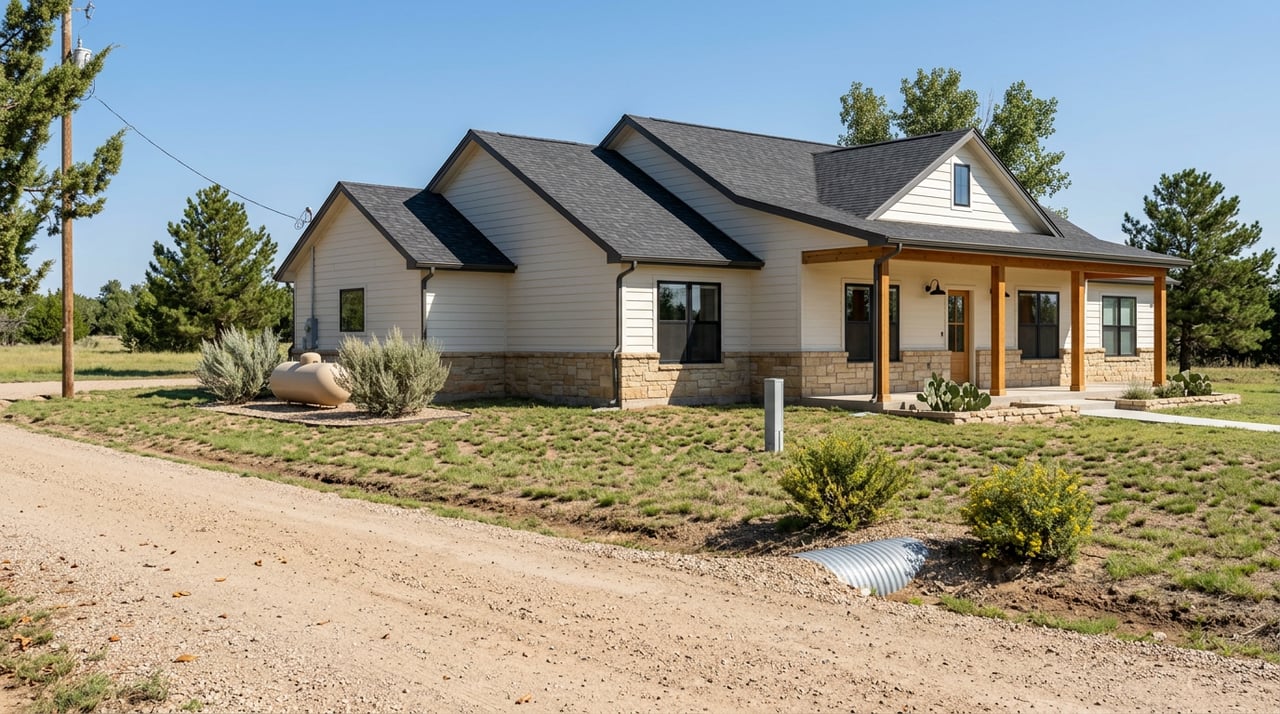
The practical takeaway for you: a 2 to 5 acre “dry lot” is common in the county and may lack sewer, municipal water, and paved access. That affects build costs, timelines, and financing. The Yavapai County Comprehensive Plan summary highlights how rural character and infrastructure vary across the county.
Access and roads: legal vs physical
Access issues can stall a project fast. Confirm both physical and legal access early.
- Public vs private: Inside town limits, public roads are maintained by the Town. Outside town limits, county roads are maintained by Yavapai County. If access is on a private road, you may share maintenance. Ask for any recorded road maintenance agreement or HOA documents, and verify with the Town or County roads division. Town documents and budgets can help you confirm which roads are public. See the Town’s documents portal for context.
- Legal access: A driveway on the ground does not always equal recorded legal access. Have title pull recorded easements, and confirm with a surveyor as needed. You can search recorded documents through the Yavapai County Recorder public records portal.
Bring in a title company and a licensed surveyor early if lot lines, road easements, or encroachments could affect value.
Water, wells, and the PrAMA rules
Water is the most important factor in this market. Much of the Chino Valley and Prescott area is in the Prescott Active Management Area (PrAMA). Subdivisions usually must prove an Assured Water Supply under ADWR rules, while individual domestic wells are handled differently. The City of Prescott outlines regional supply context in its water resources summary.
Your water options often look like this:
- Municipal or private water companies: Some areas inside the Town or in existing subdivisions have utility service. One example is Chino Meadows II Water Company. Always ask for the service area map and whether extensions are possible. Extensions take time and money.
- Private wells: Many acreage buyers use private wells. ADWR regulates well drilling statewide and in AMAs. Small domestic wells, called exempt wells, are generally limited to a pump capacity of 35 gallons per minute and must be registered with ADWR. A licensed driller files a Notice of Intent before drilling. Get a professional pump test and water quality sampling rather than relying on a nearby well. Review ADWR’s guidance on well drilling and permits.
If you plan to create multiple lots, involve ADWR guidance early. Water feasibility can be the deciding factor for any project.
Septic and utilities: what it really takes
Most rural acreage in Chino Valley uses onsite wastewater systems. Yavapai County Environmental Services handles septic permits under ADEQ delegation. Site conditions like soils, depth to bedrock, and seasonal groundwater impact feasibility and cost. Budget time for a site investigation and percolation test. Learn the process through Yavapai County Environmental Services.
Electric power in the Quad-City area is commonly served by APS. Natural gas service does not reach every area, so many owners rely on propane. If a listing says “utilities at lot line,” ask which utilities, where they are, and who pays for line extensions. For a quick orientation to local utility providers, see the City of Prescott’s new resident resources.
For internet, coverage varies by address. Cable and fixed wireless serve many in-town locations, while rural parcels may require satellite. Run an address check using a local availability tool like InMyArea’s Chino Valley page.
Common deal breakers to catch early
- No legal access or unclear easements.
- Water uncertainty, including poor well yield or no clear utility path.
- Septic feasibility issues, such as shallow bedrock or high groundwater.
- Prohibitively expensive utility extensions for power, gas, or communications.
Build contingencies around these items and remove them only after you have professional confirmation.
Hidden rules: CC&Rs and easements
Recorded documents control a lot of what you can do. Always request the plat, CC&Rs, easements, and any road or shared-well agreements from the title company and the County Recorder. Do not rely on verbal statements. Start your search with the Yavapai County Recorder portal.
A title commitment will flag liens and easements, and an ALTA/NSPS survey can confirm how those easements sit on the ground.
Site risks: wildfire, flood, and driveways
Chino Valley sits in a region that promotes wildfire mitigation and defensible space. Expect recommendations about brush clearance and construction practices. The county’s hazard planning provides context in the 2023 Hazard Mitigation Plan.
Also review FEMA flood maps and county floodplain data if your parcel is near a wash or riparian corridor. If you will build a new driveway or convert a driveway to serve a residence, confirm any access permit needs with the Town or County. Start with the County’s land use guidance here: Land Use and Code Enforcement Unit.
Your due-diligence game plan
Use this sequence to keep your offer strong and your risk low:
Confirm jurisdiction and zoning
- Identify whether the parcel is in the Town or County. Pull the zoning designation and a current map extract. Review the Town’s zoning references.
Order title and recorded documents
- Request a preliminary title commitment and copies of all CC&Rs, easements, plats, and any existing septic or well records. Use the Yavapai County Recorder portal as a cross-check.
Schedule a planner meeting
- Book a pre-application or planner meeting with Yavapai County Development Services or Town Planning. Ask for a written summary of permits, fees, and timelines. The county outlines what to expect in a PPM guide.
Verify water early
- If you need a well, consult a licensed driller or hydro pro. File the ADWR Notice of Intent if drilling is planned and arrange a pump test. Review ADWR’s well permitting steps and the current NOI instructions.
Test soils for septic
- Hire a septic designer for a site investigation and percolation test. Submit findings to Yavapai County Environmental Services to confirm permit path and system type.
Survey and site work estimates
- Order a boundary or ALTA/NSPS survey if lines or easements affect value. Bring in a civil engineer for driveway grading, drainage, or significant utility extensions so you can compare true costs across parcels.
Legal review when needed
- If title exceptions, CC&Rs, or access issues are complex, consult a real estate or land-use attorney.
Chino vs. Prescott: cost and risk tradeoffs
Chino Valley often offers more acreage options and lower sticker prices than nearby Prescott and Prescott Valley. That said, many Chino parcels rely on wells and septic, which can raise total development cost per lot. The Town’s growth materials provide helpful context in the Chino Valley General Plan.
Prescott and Prescott Valley have larger municipal utilities and, in some areas, established water portfolios and Assured Water Supply designations. That can simplify subdivision work where service already exists. For a regional water snapshot, review Prescott’s water resource overview. In short, Chino can deliver value and space, but it pays to budget carefully for wells, septic, and access.
Next steps with a local team
If you want acreage that fits your budget and timeline, start with the checks above and lean on local pros. Our team pairs deep Quad-City knowledge with a clear process so you can verify access, utilities, and permits before you commit. Ready to walk parcels, review records, and compare options side by side? Connect with Paula Stears Thomas for a focused acreage consultation.
FAQs
What should I check first when buying acreage in Chino Valley?
- Confirm jurisdiction (Town vs County), zoning, legal access, and how you will secure water and septic; then order title and recorded documents.
How do water rules affect land splits and subdivisions?
- In the Prescott AMA, subdivisions typically must show an Assured Water Supply, while individual exempt wells follow ADWR rules with a 35 gpm pump-capacity limit.
Can I rely on a neighbor’s well performance for my parcel?
- No; well yield can vary by location and depth, so hire a licensed driller for a pump test and follow ADWR procedures before removing contingencies.
Who issues septic permits for rural parcels in Yavapai County?
- Yavapai County Environmental Services administers onsite wastewater permitting, including site investigations, percolation tests, and system approvals.
What is a common access issue on rural acreage?
- Parcels may have a visible driveway but lack a recorded legal easement or road maintenance agreement, which can block financing and permits.
Do minor land divisions guarantee utilities or paved roads?
- No; smaller splits often create parcels without municipal water, sewer, or paved access, so verify each utility and access item before purchase.