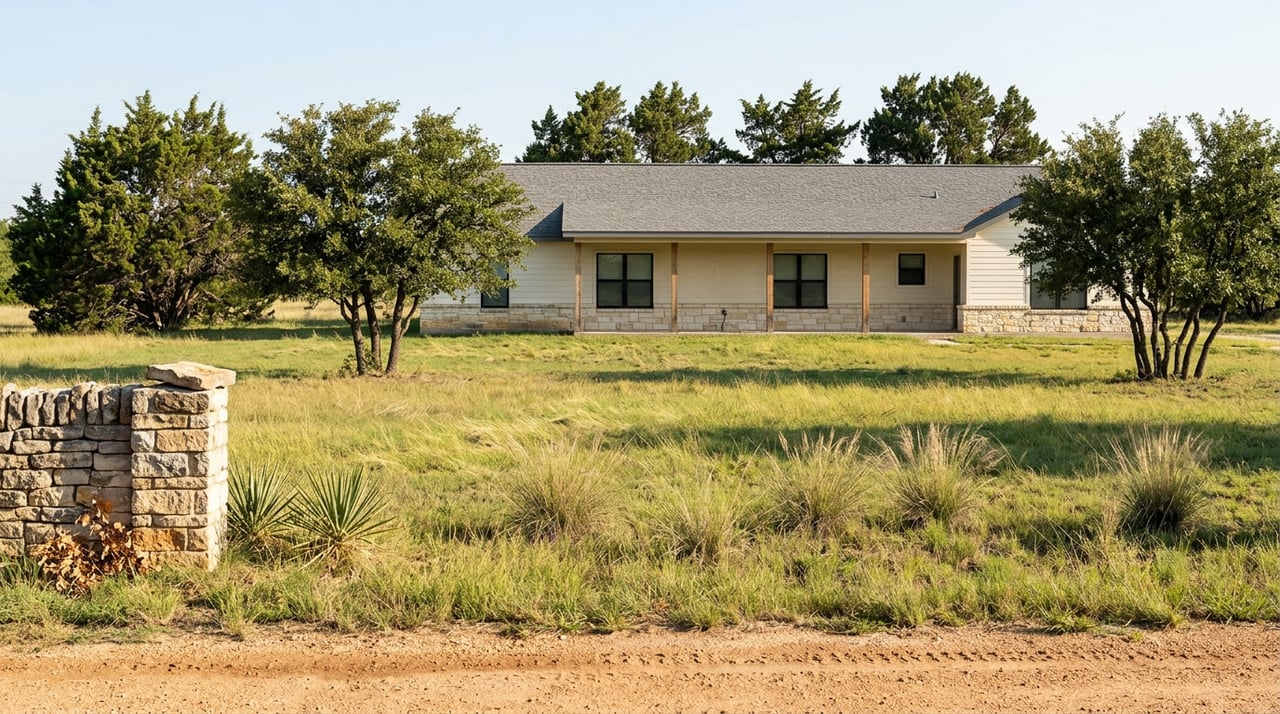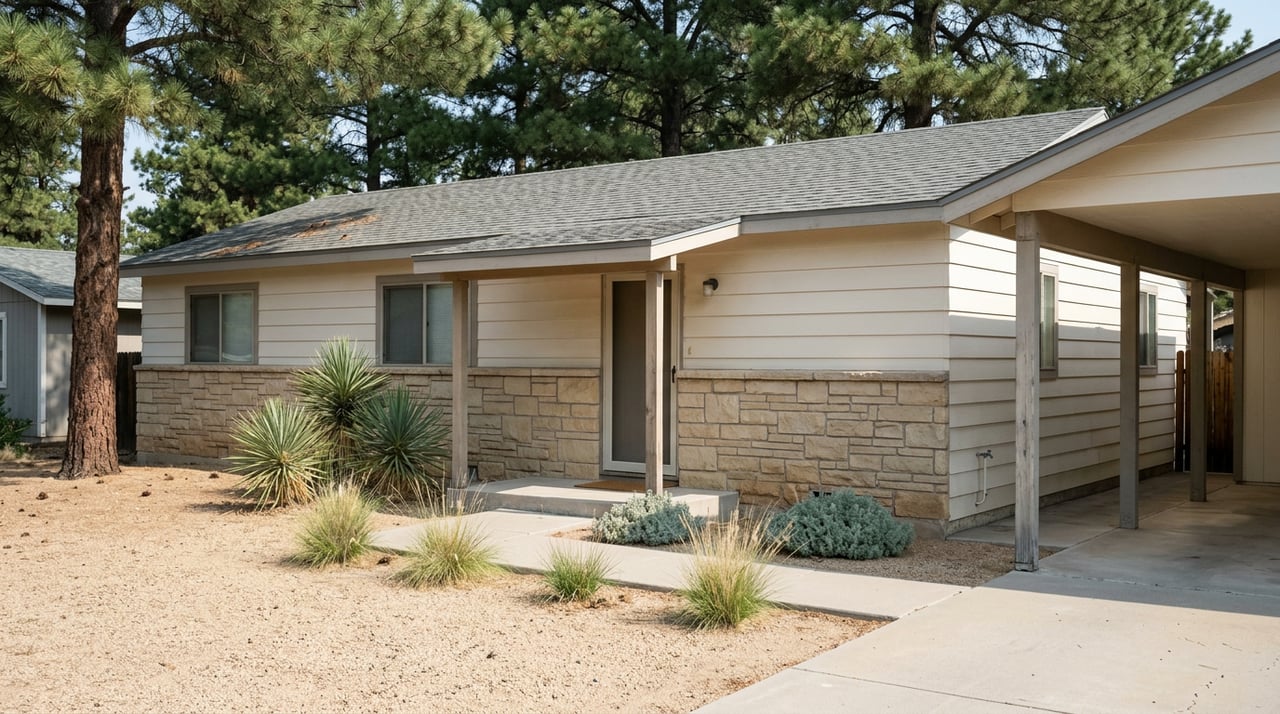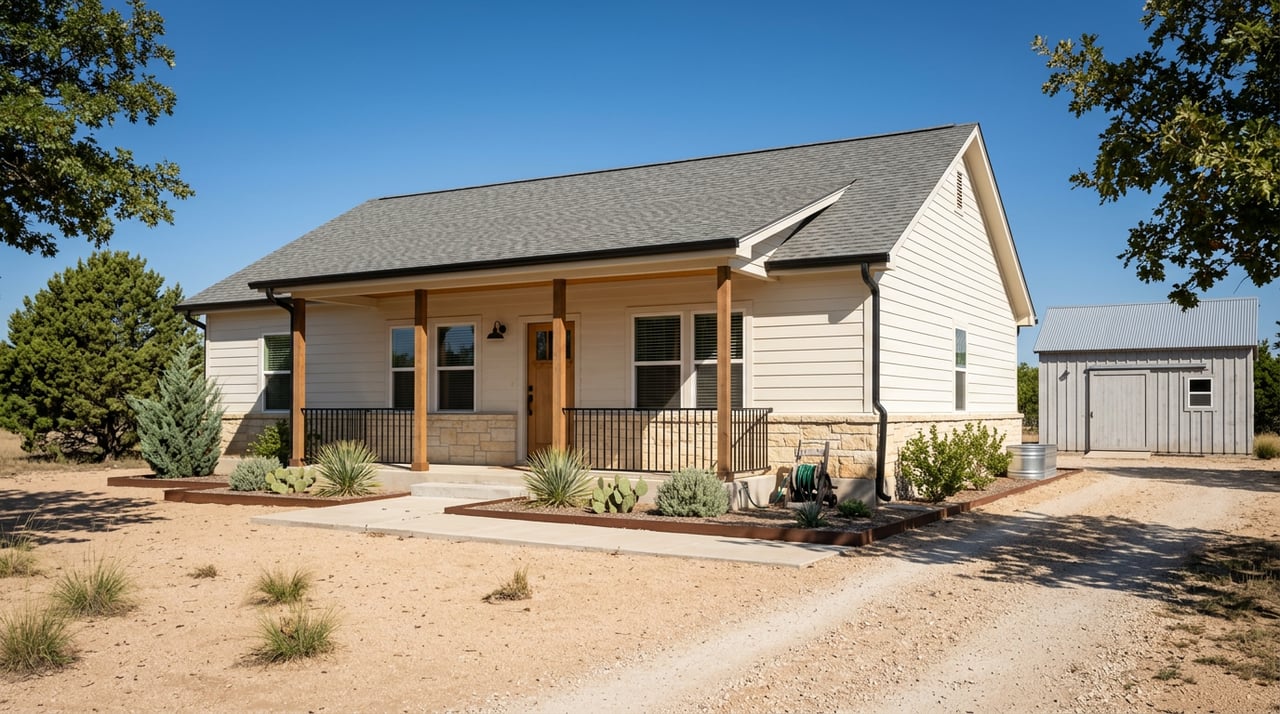
Craving morning sun over open land, a big garden, and room for a few animals without being far from town? If you are picturing a small ranchette near Dewey‑Humboldt, you are not alone. This high‑desert pocket east of Prescott offers space, views, and a slower pace. In this guide, you will learn what to look for on 1 to 10 acres, how local rules work, and the key checks for water, septic, utilities, wildfire, and environmental items. Let’s dive in.
Why Dewey‑Humboldt fits small ranchettes
Dewey‑Humboldt calls itself a low‑density country town, with larger lots and a rural feel while still within the quad‑city region. Town information highlights the area’s open setting, mountain backdrop, and residential lot sizes that trend larger than urban neighborhoods. You get privacy, sky, and a practical base for small animals and gardens. Learn more about the setting on the town’s overview page at the Town of Dewey‑Humboldt.
From a value standpoint, recent market snapshots place typical home values in the mid to upper 400s as of early 2026. Prices vary by acreage, improvements, and views. If you want animals, shops, or a greenhouse, the right parcel can make those goals realistic without pushing far from services in Prescott and Prescott Valley.
Town vs. county: know your jurisdiction
Some ranchettes are inside the Town of Dewey‑Humboldt. Many are in unincorporated Yavapai County. This matters because zoning, permits, and processes are different.
- Inside town limits: start with the town’s zoning page and official maps to see permitted uses, accessory buildings, and setbacks. Check the Dewey‑Humboldt zoning hub.
- In unincorporated Yavapai County: the county Planning Unit and zoning ordinance set the rules for density, livestock, setbacks, and when you need a use permit. The county’s Development FAQ is a good first read.
A quick check in the county GIS will also confirm parcel details, recorded documents, and nearby constraints. Use the Yavapai County GIS parcel search as an early step.
What you can do on your land
Animals and acreage basics
If animals are part of your plan, match the parcel’s zoning to the animal rules. The county notes that minimum parcel sizes for farm animals depend on the district. For example, some districts require at least 70,000 square feet, which is about 1.6 acres, while others allow animals on parcels as small as 35,000 square feet. Always confirm your exact parcel’s district in the county GIS, then review the county’s Development FAQ for the allowed animal chart and any use permits.
Inside the Town of Dewey‑Humboldt, town code governs animal allowances and accessory structures. Start with the town zoning page to see what is permitted on that specific lot.
Outbuildings, barns, and shops
Most new habitable structures and many outbuildings need permits. Barns and animal shelters often have placement and size limits, and setbacks matter. If you plan a shop, ADU, or large barn, call the planning and building department for your jurisdiction to review steps and timelines. For town parcels, begin with Dewey‑Humboldt’s zoning page. For county parcels, the Planning Unit page can point you to the right standards and contacts.
Water, septic, and utilities
Water: wells vs. public service
Many small ranchettes here use private wells. Others, especially near town, may have access to a public or private water provider. Before you move forward, confirm whether the parcel has a public water connection or an existing, registered well. The Yavapai County GIS search is a smart starting point for parcel records.
If you plan to drill, Arizona requires filing well paperwork and following construction standards. Review Arizona Department of Water Resources forms and the electronic Notice of Intent on the ADWR eNOI page. Ask the seller for well logs and consult a licensed well driller early.
Septic: onsite wastewater systems
Rural parcels will either have an onsite septic system or need one. Yavapai County Environmental Services permits septic systems, tracks as‑built records, and oversees site investigations and percolation testing. If soils do not percolate well, you may need an alternative engineered system that takes more time and money. Read the county’s guidance on septic system construction and ask for permit history during your inspections.
Electricity, propane, and internet
Electric service varies by location. Confirm which utility serves the address and whether a line extension or transformer is required. If service is not at the lot line, get a written estimate before you commit. Propane is common for heating and hot water in rural areas. Firewise guidance recommends siting propane tanks away from structures and controlling surrounding vegetation.
Internet and cell coverage are highly address specific. Some areas have cable or DSL. Many rely on satellite or fixed wireless. Check options and speeds with the Broadband Map provider tool and test cell reception on site.
Hazards, insurance, and special local issues
Wildfire and defensible space
This is a high‑desert environment where brush and slope can raise fire risk. Plan for brush removal, pruning, spacing, and a clear zone around structures. These steps support safety and can affect insurability. The University of Arizona Extension offers practical guidance for Yavapai County homeowners on Firewise resources and defensible space.
Iron King Mine – Humboldt Smelter Superfund site
Parts of Dewey‑Humboldt are near the Iron King Mine – Humboldt Smelter Superfund site. The EPA finalized a cleanup plan in October 2023 and is advancing design and sampling work. If you are near the site or on a private well, do not skip water testing and a review of site documents and maps. Start with the EPA’s update on the Iron King Mine – Humboldt Smelter cleanup and discuss testing with your inspector and lender.
Flooding, drainage, and soils
Many parcels sit on slopes, alluvial fans, or near arroyos. Check flood maps and drainage in the county GIS before you plan outbuildings or grading. The Yavapai County GIS portal can show you parcel contours, recorded easements, and flood data. In town, use the Dewey‑Humboldt maps page for local road and map references.
Insurance and financing
Lenders and insurers look closely at road access, distance to fire services, well and septic, and environmental items. For properties with higher wildfire exposure or open environmental questions, some insurers may set limits or add conditions. Get a preliminary insurance quote and speak with your lender early, especially if you are considering raw land rather than an improved property.
Two quick scenarios to guide expectations
2 to 5 acres with existing well and septic
- Easier move‑in with known utilities and lower upfront risk.
- Verify well flow, age, and water quality, plus septic permit files and inspection.
- Confirm zoning, animal allowances, and any CC&Rs that might limit animals or outbuildings.
- Budget for firewise work and any shop or barn permits you will want after closing.
Raw land without utilities
- Expect added time and cost for well drilling, septic design, and power extensions.
- Do site‑specific checks: soils and perc test, flood/drainage review, access and road maintenance, and broadband options.
- Build a contract timeline that allows for testing, utility estimates, and permitting steps with the county and ADWR.
Your buyer checklist for Dewey‑Humboldt ranchettes
- Confirm jurisdiction: town or county, then pull the correct zoning map. Start with the Dewey‑Humboldt zoning page.
- Ask for well logs and septic permit history. If none, plan for ADWR paperwork and county site investigations. See the ADWR eNOI forms.
- For private wells, test for coliform bacteria, nitrates, arsenic, and metals, especially near the Iron King area. Review guidance on the EPA cleanup page.
- Confirm electric service and whether a line extension or transformer is needed. Get estimates in writing before you rely on service.
- Verify road access and who maintains a private road; check town and county map resources like the Dewey‑Humboldt maps page.
- Check the county’s animal allowances by zoning district and parcel size in the Development FAQ.
- Search the county recorder and GIS for recorded CC&Rs and easements using the Yavapai County GIS.
- Order a wildfire risk and defensible space assessment or use Extension Firewise resources.
- If near the Superfund site, review EPA materials and budget for well and soil testing as advised.
- Add well, septic, soil, broadband, and insurability contingencies to your offer timeline so you have room to verify feasibility.
How a local agent makes this smoother
An experienced local agent does the early triage that saves you time. They identify the correct jurisdiction, pull zoning and parcel records, and flag issues early. They also request septic and well files from the county, gather recorded CC&Rs and plats, and connect you with well drillers, septic designers, soil testers, surveyors, and firewise assessors. When it is time to write an offer, your agent helps structure the right inspections and contingencies so you can move forward with confidence.
If you want a clear, step‑by‑step path to the right ranchette, reach out to our team. We live and work across the quad‑city area and help buyers match lifestyle goals with parcels that actually work on the ground. Connect with Paula Stears Thomas to start your plan today.
FAQs
What should I check first when buying a Dewey‑Humboldt ranchette?
- Start with jurisdiction and zoning, then confirm water source, septic status, road access, and any recorded CC&Rs or easements using the county GIS.
How many animals can I keep on a 2‑acre parcel in unincorporated Yavapai County?
- Animal allowances depend on zoning district and density, with some districts requiring about 1.6 acres and others allowing animals on smaller parcels, so confirm your district in the county’s Development FAQ and GIS.
Do ranchettes usually have private wells or public water in this area?
- Many have private wells while some near town have public or private water service, so verify service at the address, gather well logs if present, and review ADWR requirements if drilling.
What septic steps should I plan for on rural acreage?
- Pull any existing permit files, schedule a site investigation and percolation test if needed, and review county guidance on septic approvals and alternative systems for challenging soils.
How does the Iron King Mine Superfund site affect buyers with wells?
- If you are near the site or on a private well, prioritize water testing for coliform, nitrates, arsenic, and metals and review EPA cleanup materials before you waive contingencies.
Will wildfire risk affect my ranchette insurance?
- Yes, insurers weigh brush conditions, slope, and distance to fire services, so plan for defensible space improvements and get a preliminary quote before you finalize an offer.