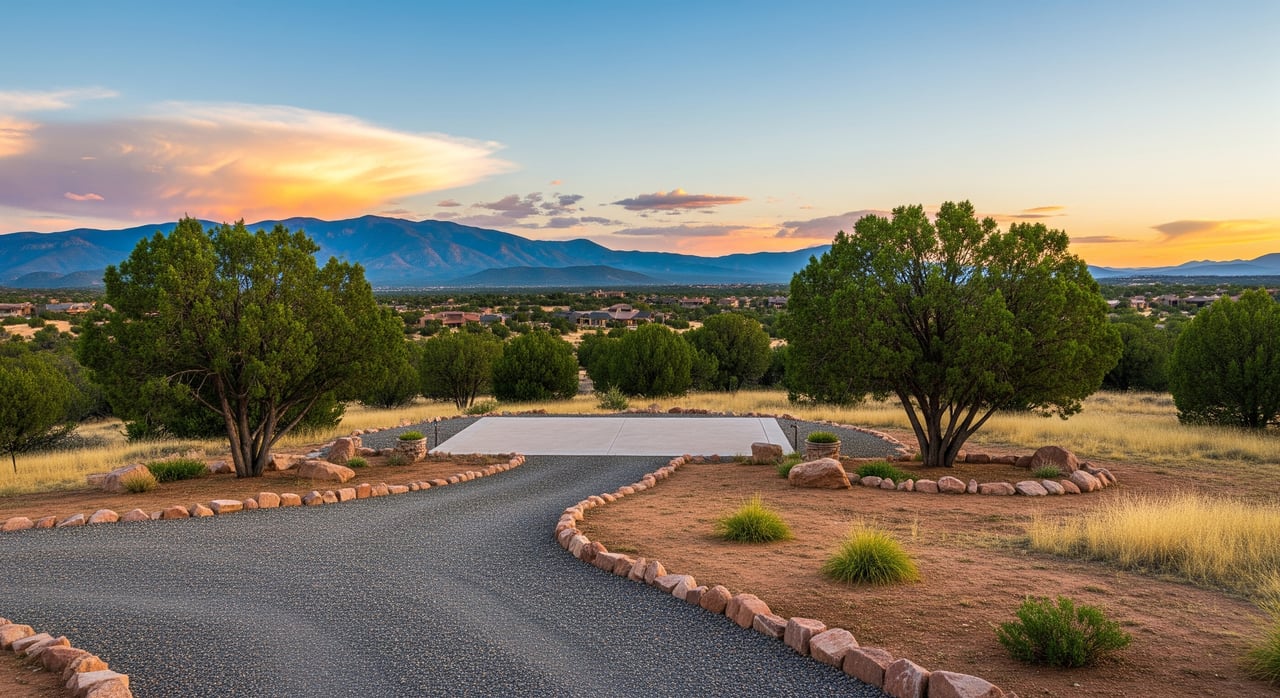
Thinking about buying land in Dewey-Humboldt? The right parcel can unlock mountain views, space, and long-term value, yet the wrong lot can saddle you with costly surprises. You want clarity on zoning, access, water, septic, and permits before you commit. In this beginner’s guide, you will learn the key checks, who to call, and a step-by-step plan tailored to Yavapai County. Let’s dive in.
Why Dewey-Humboldt land is different
Dewey-Humboldt has a rural to semi-rural feel with larger lots, varied topography, and limited municipal services in many areas. Some parcels sit on steep hillsides or near washes, which affects grading and siting. Wildfire risk, seasonal drainage, and soils can impact both cost and feasibility. Parcels are under Yavapai County for most land use and building, but always confirm whether the lot lies inside the Town limits because rules and service providers can differ.
Start with parcel identity and title
Begin with the basics. Obtain the parcel number, legal description, and current owner from the Yavapai County Assessor and Recorder. Order a title report or preliminary title commitment to identify easements, covenants or CC&Rs, mineral reservations, liens, and delinquent taxes. For clarity on boundaries and constraints, request a boundary or ALTA survey that shows recorded easements, floodplain, and any visible improvements.
Documents to request early
- Title report or preliminary title commitment
- Recent survey or authorization for a new boundary or ALTA survey
- Any recorded CC&Rs or road maintenance agreements
- Tax history from the Yavapai County Treasurer or Assessor
Zoning and allowed uses
Confirm the zoning district with Yavapai County Planning and Zoning, or with the Town if the parcel is within town limits. Review permitted uses, density, minimum lot size, setbacks, and any overlay districts such as floodplain or scenic corridors. If your plan involves an ADU, a small commercial use, or subdividing, ask about conditional use permits, variances, or rezoning and the expected timeline. Get answers in writing so you can align your purchase with your intended use.
Legal and physical access
Access has two parts. First, verify legal access, such as a recorded public road or private easement, in the title report and Recorder’s records. Second, confirm physical access and who maintains the road, whether the county, an HOA, or adjacent owners. Seasonal or steep roads may be difficult during storms, and parcels that front a state highway may involve Arizona Department of Transportation review for driveway or access points.
Water, septic, power, and internet
Water is a primary feasibility item. Some areas may have municipal or private water providers, so verify service boundaries and connection costs. If a well is needed, check the Arizona Department of Water Resources for well logs, any existing well records, and permitting requirements. Dewey-Humboldt is outside the Phoenix Active Management Area, but you should confirm current ADWR maps and guidance.
Most rural parcels rely on on-site wastewater systems. Contact Yavapai County Environmental Health to learn what septic systems are allowed, soils requirements, and the approval process. Ask for any historic water test results, well yield data, or septic information the seller holds.
Electric service varies by location, so confirm which provider serves the area and request line extension estimates. For remote parcels, line extensions can be a significant cost and may take months. Internet and cell coverage also vary, and many rural owners use satellite or wireless broadband. Propane is a common fuel for heating and cooking when natural gas is not available.
Soil, slope, flood, and fire
Site conditions drive costs. A soils review helps you understand excavation needs, septic feasibility, and whether rock or caliche will complicate trenching. For building design, a geotechnical investigation can confirm bearing capacity and foundation recommendations, especially on sloped lots.
Check FEMA flood maps to see if the parcel sits in a Special Flood Hazard Area. Development within a floodplain often requires additional standards and permits. Walk the land to spot washes and seasonal drainage. Given the region’s wildfire risk, confirm the serving fire district, required defensible space, and any ignition-resistant building guidance. Also consider historic mining activity in Yavapai County and consult the Arizona Department of Environmental Quality for known contamination sites.
Buildability and permits
Building feasibility depends on approvals and timing. Typical steps include confirming water source or filing a well permit application, completing a septic site evaluation and design, and preparing a site plan that shows topography, setbacks, driveway, and drainage. You will submit building plans to Yavapai County or the Town for permit review. Arizona follows the International Building and Residential Codes with local amendments, and some sites require structural engineering due to slopes or soils.
The local fire district will review access, including driveway width, turnarounds, and address signage. Expect inspections for foundation, framing, plumbing and septic, and final occupancy. Wells, alternative septic systems, and utility line extensions can add weeks or months, and any rezoning or conditional use permit adds a public hearing process. Budget both time and contingency funds for site-driven surprises.
Budget and financing for land
Land loans differ from traditional mortgages. You should expect a higher down payment, often 20 to 50 percent, along with a shorter term and higher interest rate. Local community banks, credit unions, and specialty lenders are the most likely to finance raw land, while national programs like FHA or VA generally do not. Many buyers close on land with cash or a lot loan, then secure a construction loan that converts to permanent financing once the home is complete. Lenders will ask for plans, budgets, a builder, and inspections.
Utility and site costs vary widely. Bringing in power or drilling a well and installing septic can reach tens of thousands of dollars or more, especially if line extensions or alternative septic systems are required. Get written estimates from providers and trades during your due diligence period so you can refine your total budget.
Smart due diligence checklist
Use this sequence to reduce risk and keep your purchase on track.
- Get the APN and order a title report. Review recorded easements, CC&Rs, mineral reservations, and any liens or delinquent taxes.
- Verify zoning and permitted uses with Yavapai County Planning and Zoning, or the Town if the parcel is inside town limits.
- Confirm legal access in recorded documents, then verify physical access and who maintains the road.
- Contact the Arizona Department of Water Resources for well records and guidance. Contact Yavapai County Environmental Health for septic feasibility and site evaluation requirements.
- Order a boundary or ALTA survey and schedule a soils or septic site evaluation before removing contingencies.
- Ask electric and telecom providers for serviceability letters and line extension cost estimates. Verify any water district connections and fees if applicable.
- Get ballpark estimates from a well driller, septic designer or installer, and a local general contractor familiar with rural builds.
- Speak with land or construction lenders early to understand down payment, interest rate, and documentation requirements for your parcel.
- Account for wildfire mitigation, flood insurance if applicable, and potential delays for permits or line extensions.
Include purchase contract contingencies for a clear title, survey approval, well and septic feasibility, and satisfactory utility estimates. Do not remove contingencies until you have written confirmations from agencies and utility providers.
Local pros and how to vet them
You will likely need a team that includes a title company, land surveyor, septic designer, well driller, civil or geotechnical engineer, and a general contractor. Ask for recent local references and examples of similar projects in the Prescott and Dewey-Humboldt area. Verify licenses with the Arizona Registrar of Contractors and professional registrations with the Arizona Board of Technical Registration. For wildfire and flood topics, consult Arizona State Forestry guidance and FEMA flood resources, and confirm requirements with your serving fire district.
A knowledgeable local agent can provide a short list of vetted surveyors, well drillers, septic designers, and contractors who regularly work in the area’s terrain and soils. The right introductions can save time and help you avoid common mistakes.
Common mistakes to avoid
- Skipping a recorded access check or assuming a visible road equals legal access.
- Underestimating utility costs or not requesting written line extension estimates.
- Ignoring septic feasibility and soils before closing.
- Overlooking floodplain and drainage patterns on lots with washes.
- Assuming zoning allows your planned use without confirming setbacks, overlays, or permits.
- Not budgeting time for well drilling, septic approvals, or utility extensions.
- Waiving or shortening contingencies before you have documentation in hand.
Your next steps
Buying land in Dewey-Humboldt can be a smart move when you verify the essentials. Start by confirming zoning, access, and water and septic feasibility, then build your budget with real utility and site estimates. Line up qualified local pros, keep your contingencies, and document every approval so you can move confidently from contract to construction.
If you want an experienced local guide and a vetted team, connect with Paula Stears Thomas. You will get clear next steps, local insights, and introductions to trusted lenders and trades so you can buy with confidence.
FAQs
Can you build on raw land in Dewey-Humboldt?
- Possibly, but you must confirm zoning, recorded and physical access, and whether water and an approved septic system are feasible for the parcel.
How much do utilities cost to bring to a rural lot?
- Costs vary widely, and remote parcels can require tens of thousands of dollars or more for electric extensions, a new well, and septic, so always obtain written estimates.
What permits do you need before building a home?
- You typically need water confirmation or a well permit, a septic site evaluation and design approval, a site plan, building permits, and fire district access review with inspections.
Do you need a percolation test for septic in Yavapai County?
- The county often relies on a site evaluation and an approved septic design, and requirements can vary by site, so confirm with Yavapai County Environmental Health.
How do land loans work for parcels in Yavapai County?
- Land loans usually require a higher down payment of 20 to 50 percent, have shorter terms and higher rates, and are commonly offered by local banks, credit unions, or specialty lenders.