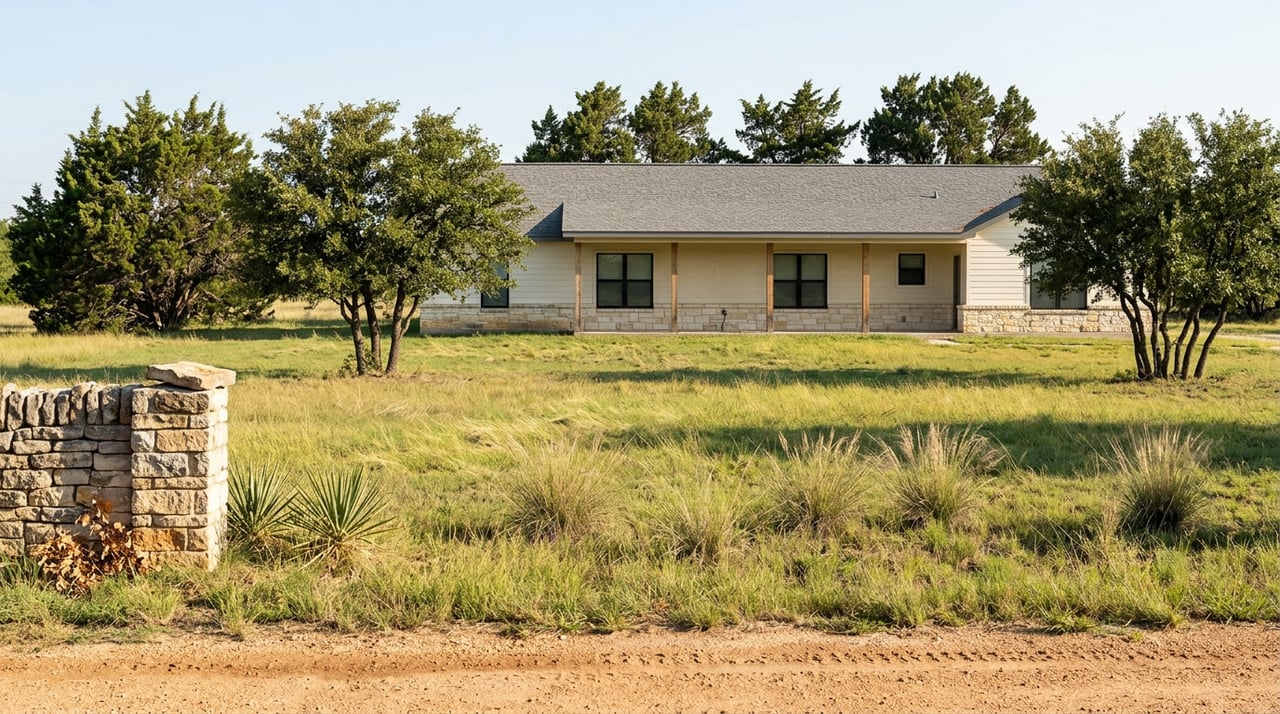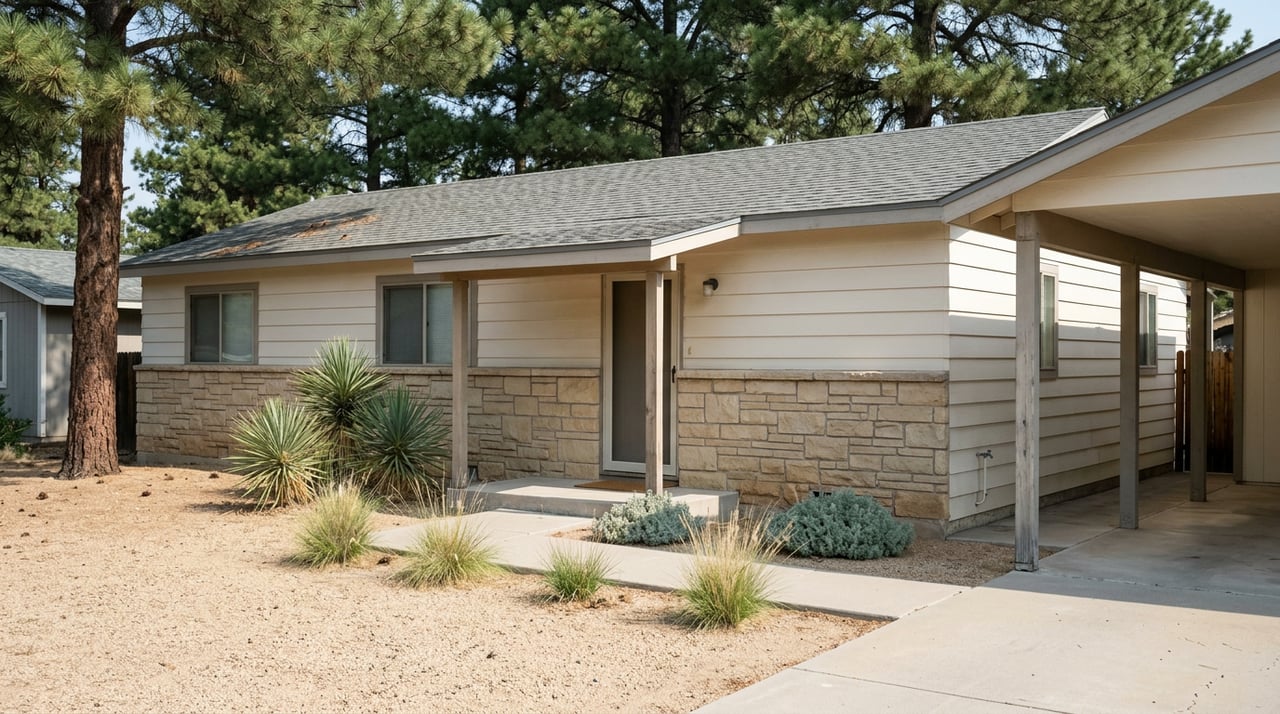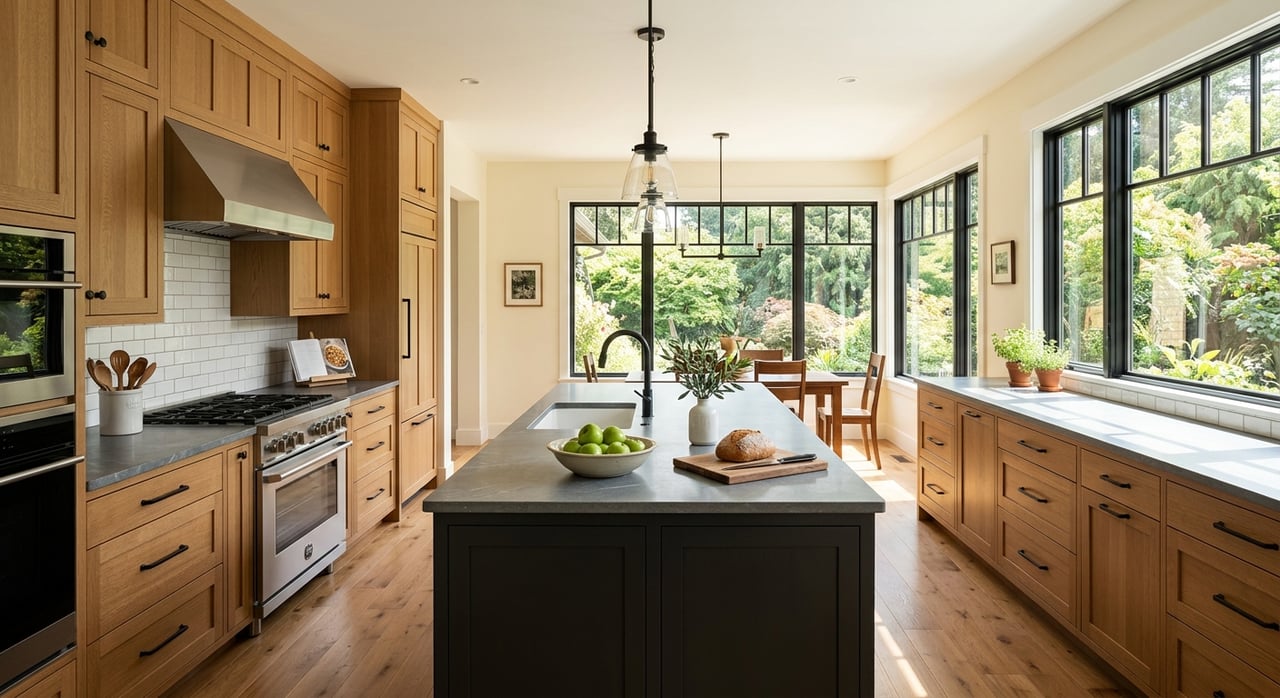
If you are planning to sell your home in Prescott Valley, one of the first questions you probably have is simple: how long will this take? That is a fair concern, especially when your next move, finances, and daily routine may all depend on the timing. The good news is that while every sale is different, you can build a realistic plan by understanding the local market and each step of the process. Let’s dive in.
Prescott Valley Timeline at a Glance
In today’s Prescott Valley market, home sales are usually measured in weeks to months, not days. Recent local data shows a moderate pace rather than a rushed seller’s market. Realtor.com’s Prescott Valley market overview described the area as balanced, with a median 90 days on market and homes selling about 1.05% below asking on average.
That does not mean your home will take 90 days to sell. It means timing can vary based on price, condition, marketing, and buyer demand at the moment your home hits the market. The same local data set, along with other recent snapshots, suggests many homes may go pending in roughly 42 to 90 days, with another about 30 days to close for a financed sale.
A practical way to think about your full selling timeline is about 2.5 to 4 months from serious preparation to closing in a normal financed transaction. A well-priced home with strong presentation may move faster, while repairs, negotiation issues, or pricing adjustments can stretch the process.
Pre-Listing Starts the Clock
Before your home goes live, there is a preparation phase that often has the biggest impact on your final timeline. This is where you decide on pricing, make the home show-ready, gather documents, and plan your marketing launch.
According to NAR’s consumer guidance on preparing to sell, sellers benefit from focusing on cleaning, decluttering, curb appeal, and staging decisions before listing. A pre-sale inspection is optional, but it can help uncover issues before a buyer does, which may reduce surprises later.
If your home has larger concerns, such as roofing or HVAC issues, getting repair estimates early can help you plan. Even if you choose not to complete the work, buyers may factor those costs into their offers and negotiations. Knowing that upfront can help you avoid delays once offers start coming in.
What to Do Before Listing
To keep your sale moving, try to complete these tasks before your home is active:
- Meet with your agent to discuss pricing and timing
- Declutter and deep clean the home
- Improve curb appeal where practical
- Decide whether staging makes sense
- Gather records for repairs, upgrades, and HOA information if applicable
- Prepare for required disclosures
This early organization matters. Arizona Department of Real Estate guidance explains that buyers should receive a Seller’s Property Disclosure Statement, and the contract language referenced by ADRE says the seller delivers the SPDS within five days after contract acceptance. If you gather information early, you are less likely to scramble once you are under contract.
Staging Can Affect Speed
Staging is not required, but it may help shorten your timeline. In NAR’s 2025 staging report, 49% of sellers’ agents said staging reduced time on market, and 29% reported a 1% to 10% increase in the dollar value offered.
In a balanced market like Prescott Valley, presentation can make a meaningful difference. When buyers have options, homes that feel clean, bright, and well cared for often make a stronger first impression online and in person.
Listing Launch and Showings
Once your home is ready, the public listing phase begins. This is when your photos, pricing, listing details, and marketing strategy start working together to attract buyers.
NAR’s guide to marketing your home notes that home marketing can include professional photography, staging, social media, signage, open houses, and MLS exposure. It also points out that the first open house often happens the weekend after a home goes live to maximize early visibility.
For sellers, this stage can feel unpredictable because it depends heavily on market conditions. In a fast market, you may see strong traffic right away. In a balanced market like Prescott Valley, it may take more time to find the right buyer, so flexibility with showings and a willingness to respond to feedback can help.
How Long Does It Take to Get an Offer?
There is no single answer, but local data gives you a reasonable range. Recent Prescott Valley figures suggest a listing may take roughly 42 to 90 days to go pending, depending on which metric you use and how the home compares with current competition.
That range reflects an important point: different numbers measure different parts of the timeline. Days on market tracks how long the home is publicly active, while days to pending measures how long it takes to reach a contract. Both are useful, but they are not the same thing.
Offers Are About More Than Price
When an offer comes in, the highest price is not always the best choice. NAR’s multiple-offer guidance explains that contingencies, earnest money, financing, and closing timeline all affect how strong an offer really is.
For example, a cash offer may close faster than a financed one. A financed offer may still be excellent, but it usually involves an appraisal and lender timelines that can add complexity. A clean offer with fewer obstacles may save you time and stress, even if the number is not the absolute highest.
Counteroffers also affect timing. NAR notes that a counteroffer replaces the original offer rather than keeping it open. That makes it important to negotiate carefully and keep your broader timeline in mind.
Contract to Close Usually Takes About a Month
After you accept an offer, the sale moves into escrow and the closing process begins. This phase often includes the earnest money deposit, title work, inspections, appraisal if financing is involved, and final signing.
NAR’s escrow overview explains that escrow involves a neutral third party who holds funds and documents while the transaction requirements are completed. During this time, several moving parts must line up before closing can happen.
A useful benchmark comes from NAR’s REALTORS® Confidence Index, which reported a median of 30 days to close in December 2025. That means even after your home goes under contract, you should still expect about a month before the sale is complete in a typical financed deal.
Common Delays After Acceptance
Several issues can slow a transaction after you accept an offer:
- Inspection concerns or repair negotiations
- Appraisal issues for financed buyers
- Title or document problems
- Missing disclosure paperwork
- Loan changes that affect closing dates
- Unfinished repairs before final signing
The Consumer Financial Protection Bureau notes that lenders must provide the Closing Disclosure at least three business days before closing. If an important loan term changes, a new three-business-day review period may apply. That is one reason closing dates can shift even after the finish line seems close.
CFPB also notes that if a repair is not completed, a seller may offer a credit toward closing costs instead of finishing the fix. In some situations, that can help keep the closing on track.
What Closing Day Looks Like
By closing day, most of the heavy lifting is done. The buyer usually completes a final walkthrough before closing, and then the parties sign documents, funds are released, and the transaction is completed once all conditions are met.
According to the CFPB’s closing-day overview, closing may involve the buyer, seller or their agents, escrow officers, settlement agents, title representatives, and sometimes attorneys. For you as the seller, this is the moment when proceeds are disbursed and possession transfers according to the contract.
A Realistic Prescott Valley Selling Timeline
If you want a simple planning framework, here is a practical way to look at it:
| Phase | Typical Timing |
|---|---|
| Pre-listing prep | Varies by home and readiness |
| Active listing to pending | About 42 to 90 days |
| Contract to close | About 30 days |
| Total from prep to closing | Roughly 2.5 to 4 months |
This is not a guarantee, but it is a useful guide based on current Prescott Valley market conditions and national closing benchmarks. Your own timeline may be shorter or longer depending on pricing, condition, buyer financing, repairs, and how quickly paperwork is handled.
How to Keep Your Sale Moving
You cannot control the entire market, but you can control many of the factors that influence your timeline. The strongest strategy is to prepare early, price thoughtfully, and launch with a polished presentation from day one.
That is where a full-service, team-based approach can make a difference. With coordinated support for pricing, listing preparation, marketing, and transaction details, you can reduce avoidable delays and stay on top of key deadlines. If you want a clearer idea of how long your specific Prescott Valley home may take to sell, connect with Paula Stears Thomas for local guidance and a personalized plan.
FAQs
How long does it take to sell a home in Prescott Valley?
- A typical Prescott Valley sale may take about 42 to 90 days to go pending, plus around 30 days to close for a financed transaction.
What affects a Prescott Valley home selling timeline the most?
- Pricing, home condition, presentation, buyer demand, financing, inspections, and repair negotiations all play a major role.
Should I fix everything before listing my Prescott Valley home?
- Not always. Optional pre-sale inspections and early repair estimates can help you decide what to fix now and what to address during negotiations.
What documents should I gather before selling in Prescott Valley?
- It helps to gather repair records, upgrade information, HOA documents if applicable, and disclosure-related details before your home goes live.
Can staging help my Prescott Valley home sell faster?
- Yes, staging may help reduce time on market and improve buyer response, especially in a balanced market where presentation matters.
What can delay closing after I accept an offer on my Prescott Valley home?
- Inspection issues, appraisal problems, title concerns, disclosure delays, loan changes, and unfinished repairs are common reasons a closing date may shift.